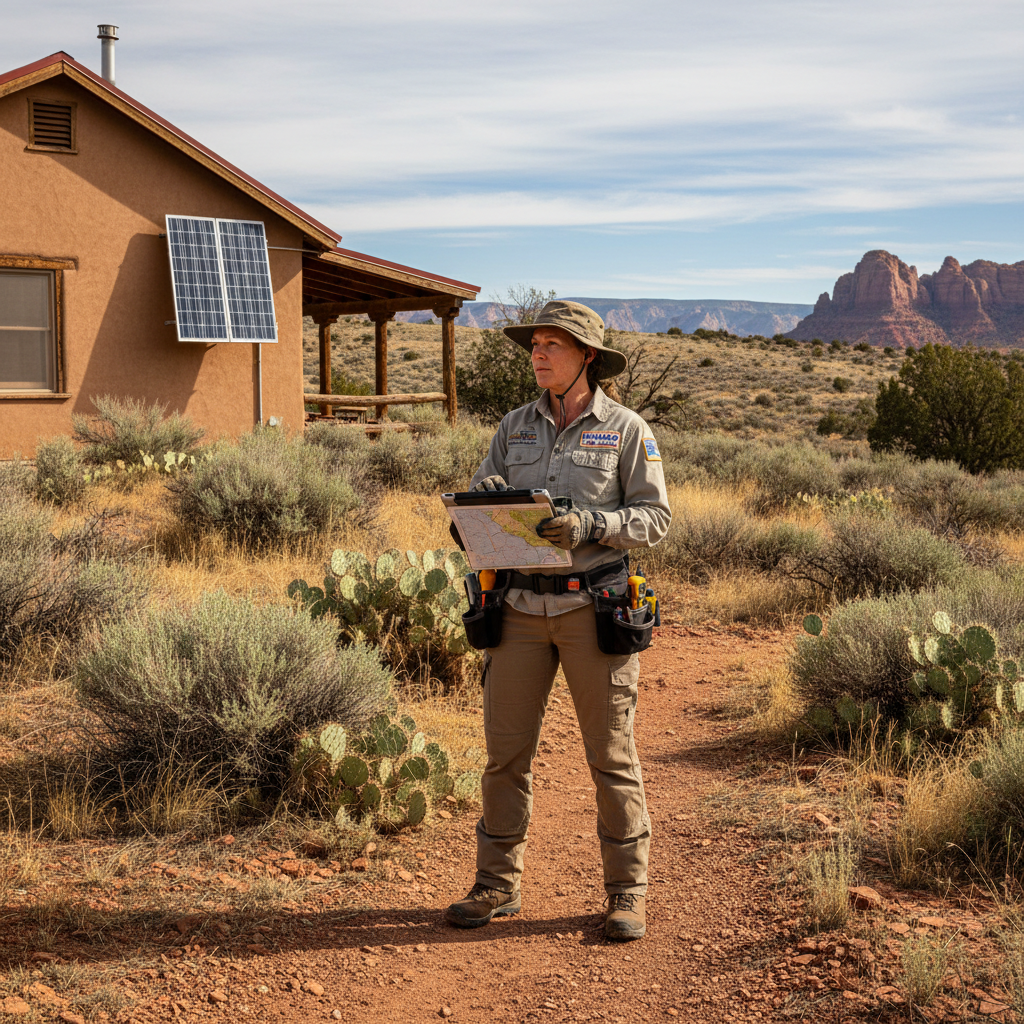
Effective Utah summer pest control 2026 focuses on managing early insect surges caused by urban expansion and rising temperatures, which promote the rapid growth of termite swarms and invasive ant colonies. Homeowners must utilize integrated technology and proactive monitoring to address these shifting biological trends during a longer and drier peak season. This strategic approach helps residents stay ahead of pests that thrive in the state's evolving climate and urban landscape.
The blistering Utah sun and rapid suburban expansion are creating an unprecedented environment for local pests this season. You might notice that ants, spiders, and wasps are appearing earlier and in greater numbers than in previous years. This surge is not a coincidence; it is the direct result of record temperatures and shifting landscapes across the Wasatch Front. At Anders Pest Control, we believe that effective protection requires a scientific understanding of these evolving conditions. In this guide, we examine how the 2026 climate is accelerating pest life cycles and why ongoing construction projects are pushing wildlife into established neighborhoods. You will learn about the specific species posing the greatest threat, the persistence of the Boxelder bug, and how modern integrated management strategies offer the most reliable defense for your home.
The 2026 Pest Forecast: A Perfect Storm for Utah Homeowners
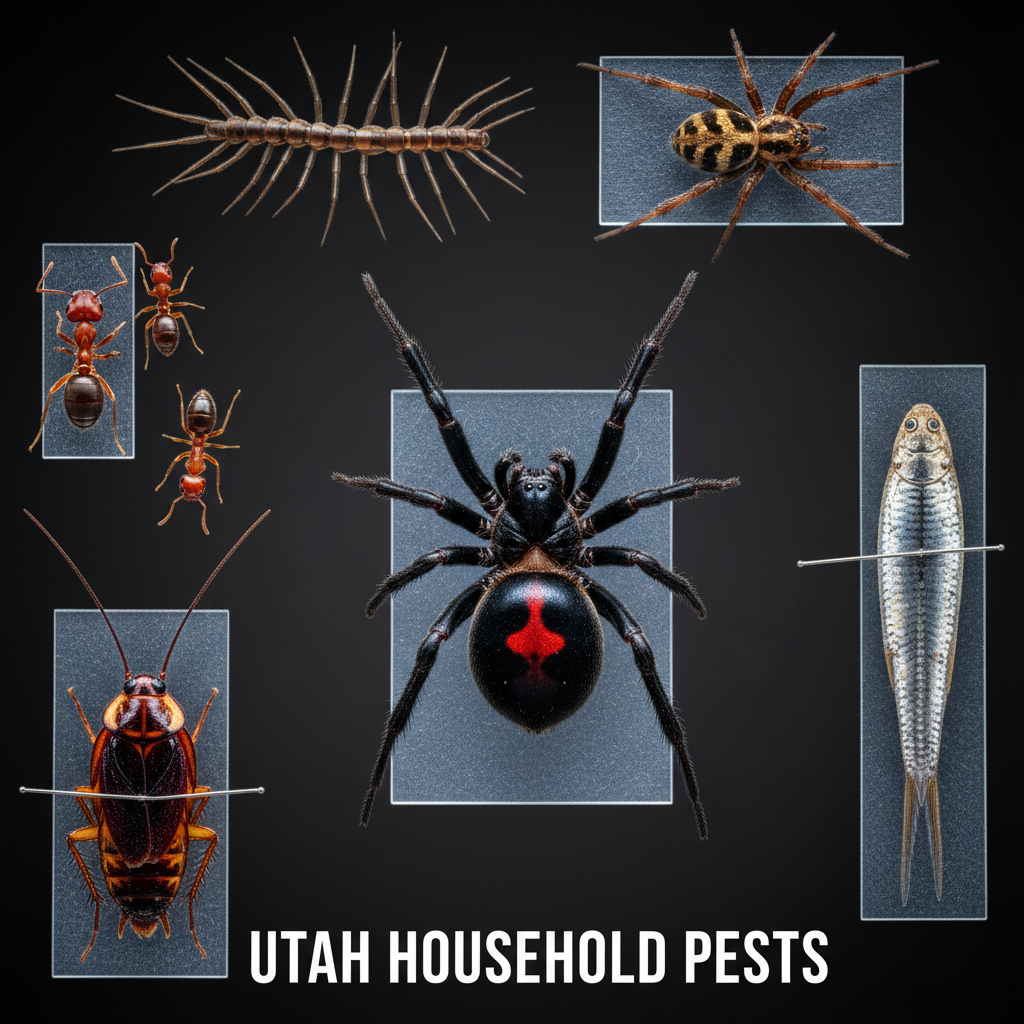
The National Pest Management Association (NPMA) 2026 Bug Barometer indicates that homeowners across the Intermountain West should prepare for a banner year for bugs. In Utah, the specific combination of a historically mild winter and a predicted record-breaking dry spring has set the stage for early and aggressive pest activity. When winter temperatures fail to stay low enough to cull insect populations, survival rates for overwintering pests like ants and spiders skyrocket. These larger initial populations, combined with an early thaw, mean infestations are starting weeks ahead of schedule.
This year, the situation is further complicated by two primary drivers: escalating summer temperatures and relentless urban sprawl. As the Wasatch Front and Box Elder County continue to develop, we are seeing a shift in how insects and rodents interact with human environments. Higher temperatures accelerate biological cycles, while new construction forces established colonies to find refuge in existing structures. At Anders Pest Control, we understand these regional shifts and provide specialized residential pest management designed to handle the unique pressures of the Utah summer pest control 2026 season. You can learn more about Anders Pest Control and how we adapt our methods to these local climate trends, or contact our local team to secure your property before the summer peak hits.
How Utah's Record Heat Speeds Up Pest Life Cycles
Insects are ectothermic, meaning their body temperature and metabolic rate are dictated entirely by their environment. As we move into the peak of the Utah summer pest control 2026 season, these rising temperatures act as a biological catalyst. For pests like houseflies, ants, and cockroaches, heat does more than just make them active; it accelerates their entire life cycle. When temperatures hover around 80°F, insect activity begins to spike, but the real shift occurs when we hit the 85°F to 95°F range. At these levels, the time it takes for an egg to reach adulthood can be cut nearly in half.
This rapid maturation leads to exponential population growth. A common housefly, for example, can complete its development from egg to adult in as little as seven days during a heatwave. We are also observing a distinct "migrating north" trend across the state. Pests that were historically restricted to the consistent heat of Southern Utah, such as certain species of hardy cockroaches and desert-dwelling spiders, are now thriving in Northern Utah and Box Elder County. The warming climate has effectively extended their habitat, allowing them to survive and reproduce in areas that were once too cool for their long-term survival.
Because these pests are maturing faster and reproducing more frequently, traditional reactive methods are no longer sufficient. It is vital to implement residential pest management strategies that account for these shortened biological windows. At Anders Pest Control, we monitor these local temperature thresholds to ensure our treatments are timed to disrupt reproductive cycles before populations explode. If you notice a sudden increase in activity as the thermometer climbs, you can contact our local team to address the issue before it compounds.
Urban Growth and Construction: Why New Neighborhoods Mean New Pests
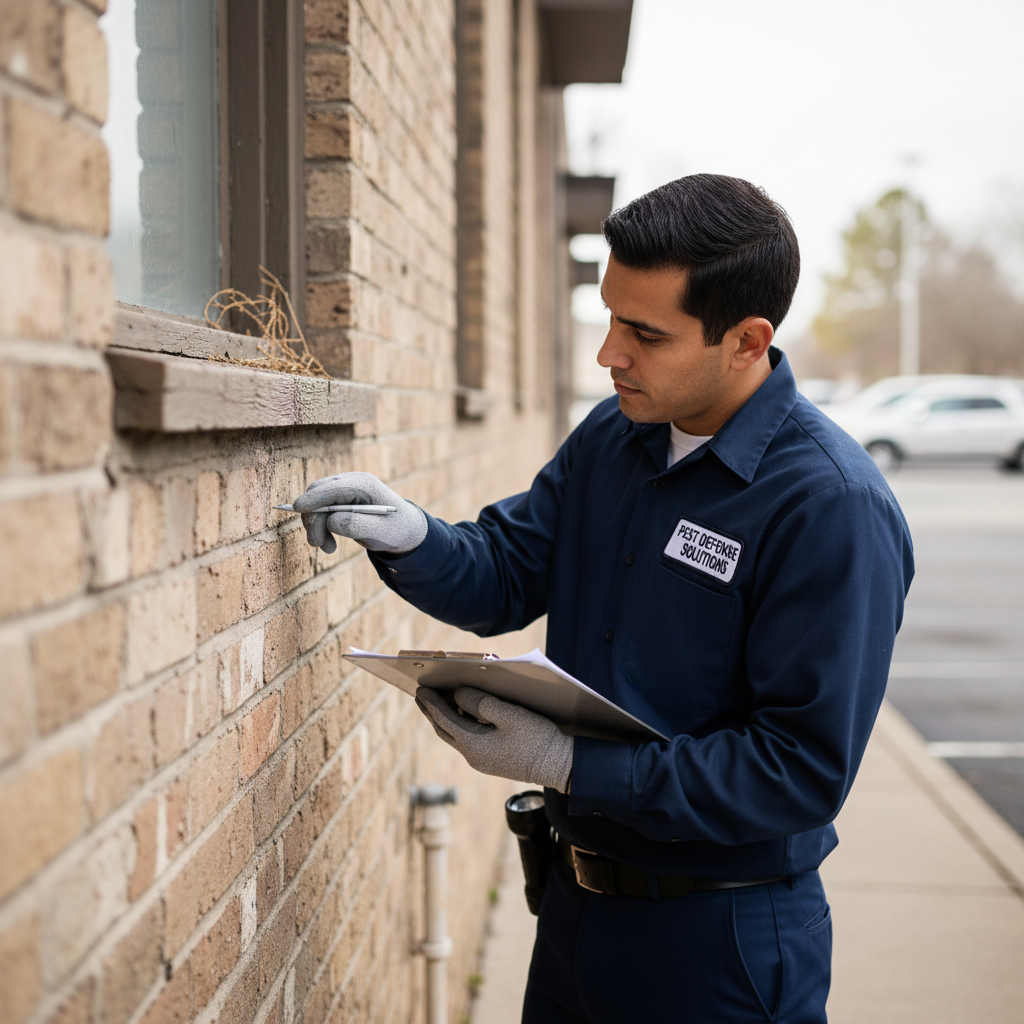
While rising temperatures accelerate pest biology, the physical landscape of Box Elder County is also shifting rapidly. A common question frequently discussed on local community forums and Reddit is, "Does new construction attract bugs?" The answer is more complex than simple attraction. As residential development expands into formerly wild or agricultural land, we are essentially displacing long-standing colonies of rodents and insects that have occupied those spaces for years.
When developers break ground for new neighborhoods, the process of digging foundations and grading land physically destroys the natural habitats of field mice, voles, and subterranean insects. Disturbed from their nests, these pests do not simply disappear; they migrate to the nearest stable environment. For residents in established homes adjacent to new construction sites, this often results in a sudden, unexplained influx of pests seeking a new home base. This displacement is a primary reason why neighboring homeowners see a spike in activity long before the new structures are even finished.
Beyond the initial displacement, the infrastructure required for modern growth creates permanent pest highways. Newly installed sewer lines, water mains, and utility corridors provide sheltered, climate-controlled paths for rats and cockroaches to travel underground. These systems allow pests to bypass surface level barriers, moving deep into residential areas where they previously had no easy access. These corridors offer protection from the elements and predators, making them ideal transit routes into your basement or crawlspace.
Navigating these environmental shifts requires a specialized approach to residential pest management that looks beyond individual properties to understand the broader landscape changes. Because the Utah summer pest control 2026 season is being shaped by this rapid expansion, proactive exclusion is more important than ever. You can learn more about Anders Pest Control and our methods for protecting homes during these periods of urban growth, or contact our local team to discuss a preventative strategy for your property.
Top Pests to Watch for in Summer 2026
The intersection of urban development and accelerated life cycles means that the current season presents unique challenges for property owners. As we move into the height of the Utah summer pest control 2026 season, monitoring your property for specific high-risk species is the most effective way to prevent costly damage and safety hazards. The following pests are projected to have the highest activity levels in Box Elder County and the surrounding areas this year.
- Swarmers (Carpenter Ants and Termites): Due to the mild winter followed by an early, moisture-rich spring thaw, we are seeing a significant increase in wood-destroying swarmers. These reproductive members of the colony take flight to establish new nests. While termites consume cellulose, Carpenter ants excavate tunnels to house their expanding populations. Both can compromise the structural integrity of your home if they find a way through the foundation or siding. - Pro Tip: Regularly inspect your basement and window sills for discarded, translucent wings. This is often the primary indicator that a colony has successfully matured and is looking to expand into your home’s framing.
- Ticks: The 2026 tick forecast map indicates a sharp rise in activity across Northern Utah, particularly in the brushy transition zones where neighborhoods meet the foothills. As urban sprawl pushes homes further into these natural environments, the likelihood of ticks hitching a ride on pets or clothing increases. This year’s dry spring has pushed these parasites into cooler, shaded residential landscaping earlier than usual. - Pro Tip: Maintain a clear border between your lawn and any wild or brushy areas. A simple three-foot wide barrier of gravel or dry wood chips can significantly reduce the number of ticks that successfully migrate from the brush into your backyard.
- Stinging Insects: Wasps, hornets, and yellow jackets are notoriously sensitive to water availability. As the record-breaking dry heat of 2026 evaporates natural puddles and streams, these insects become increasingly aggressive in their search for moisture. They will congregate around swimming pools, birdbaths, and irrigation systems, leading to higher rates of human-insect conflict. - Pro Tip: Conduct a weekly walk-around of your property in the early morning while temperatures are still cool and insects are less active. Identifying a paper wasp nest when it is the size of a walnut allows for much safer removal than waiting until it becomes a fully developed colony in late August.
Understanding these specific threats is the first step in maintaining a safe environment. For those who want to move beyond observation and implement professional residential pest management, our team specializes in identifying these early warning signs. You can contact our local team to schedule a comprehensive evaluation of your property’s specific risk factors.
The Boxelder Bug Challenge: A Utah Summer Staple
In Box Elder County, the namesake Boxelder bug remains one of the most persistent nuisances during the Utah summer pest control 2026 season. Unlike many other common household pests, boxelder bugs are not an invasive species in Utah; they are a native part of our local ecosystem that congregates in massive numbers wherever female boxelder trees, and occasionally maple or ash trees, are present. Because they feed on the seeds of these trees, properties with mature local foliage often face an annual influx. While they do not bite or cause structural damage, their sheer volume and the pungent odor they release when crushed make them a major quality-of-life issue.
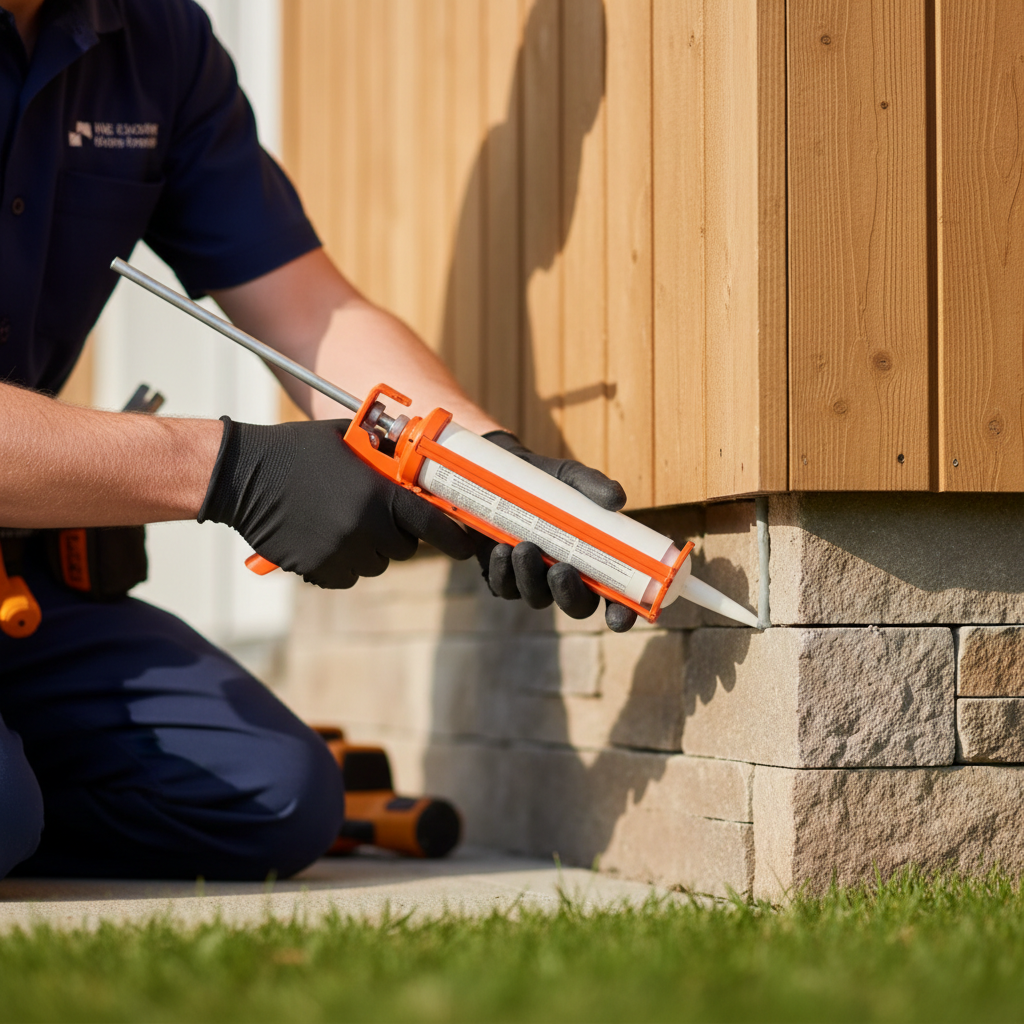
The best deterrent for boxelder bugs is a combination of habitat management and physical exclusion. Because these bugs are thin and flat, they can slip through remarkably small openings. Homeowners should focus their efforts on: - Replacing or patching window and door screens with fine mesh. - Using high-quality silicone caulk to seal gaps in siding, especially on south-facing walls where the bugs gather for warmth. - Installing door sweeps and checking the integrity of crawlspace vents.
For homes already experiencing heavy clustering, professional residential pest management provides the necessary exterior barriers to stop them before they enter. You can learn more about Anders Pest Control and our specialized programs, or contact our local team to help fortify your home's exterior before these populations move indoors for the fall.
Integrated Pest Management: The Modern Approach for 2026

Effective control in 2026 requires more than just a heavy-handed chemical barrier. At Anders Pest Control, we utilize Integrated Pest Management (IPM), a strategy that shifts the focus from broad-spectrum applications to targeted, science-based interventions. Unlike "spray-and-pray" approaches that apply the same volume of product regardless of the specific threat, IPM addresses the root cause of an infestation. This is particularly crucial during the Utah summer pest control 2026 season, where record-breaking temperatures can cause traditional liquid barriers to degrade more rapidly than in cooler years.
Our methods prioritize the safety of your family and pets by using responsible, low-impact options that achieve precise results. We start with a thorough inspection of the property's perimeter, identifying moisture sources and structural gaps before any product is even considered. In 2026, we are also leaning heavily into technology to stay ahead of the curve. By deploying advanced monitoring stations in high-risk areas like utility corridors and crawlspaces, we can track pest activity in real-time. This data allows us to intercept a problem at its source rather than waiting for it to reach your living room. You can learn more about Anders Pest Control and our commitment to these responsible residential pest management practices. If you are looking for a proactive rather than reactive solution, contact our local team to discuss a customized IPM plan for your home.
When is the Best Month for Pest Control in Utah?
Timing is everything when managing a property in the Intermountain West. For homeowners and business owners, the most effective month to start your professional service is April or May. By establishing a robust exterior barrier in late spring, you intercept pests as they emerge from their overwintering sites but before the intense Utah summer pest control 2026 heat triggers rapid-fire reproduction cycles. This proactive window allows treatments to set properly, creating a defensive line that prevents ants, spiders, and stinging insects from finding purchase inside your structure.
While a single visit offers temporary relief, the environmental pressures of 2026 make consistent quarterly maintenance the superior choice. One-time treatments eventually break down under the high UV exposure and record temperatures predicted for July and August. Furthermore, the continuous displacement of rodents and insects caused by local construction means new threats are always on the move. Regular residential pest management ensures that your home’s protection is refreshed and adjusted as seasonal pressures shift. At Anders Pest Control, we focus on long-term prevention rather than just reacting to infestations after they take hold. You can learn more about Anders Pest Control and our seasonal strategies, or contact our local team to schedule your spring barrier treatment before the summer peak arrives.
Managing Utah’s shifting environment requires staying ahead of rising temperatures and expanding urban centers. As pests find new ways to thrive in our changing neighborhoods, a proactive approach is the best way to protect your property. If you want expert help navigating these modern challenges, our local team is here to support you. You can learn more about Anders Pest Control and our specialized experience within the community. We focus on sustainable solutions that adapt to the climate, ensuring your comfort through the long summer season.