To effectively learn how to get rid of asian lady beetles, homeowners should vacuum up indoor swarms and dispose of them in soapy water. Preventing future infestations requires sealing cracks around windows and doors, repairing damaged screens, and applying perimeter treatments before the fall migration begins.
It begins with a single beetle on a sunny windowsill, but within days, Utah homeowners often find their ceilings and curtains covered in a swarming, foul smelling nuisance. While these insects are frequently mistaken for beneficial ladybugs, Asian lady beetles are aggressive invaders that can bite, stain fabrics with yellow secretions, and release a pungent odor that permeates your home. Managing an infestation requires more than a simple vacuum; it demands a strategic understanding of their behavior and entry points. In this guide, we will break down the crucial differences between these pests and their harmless cousins, detail effective removal techniques for indoor swarms, and provide expert prevention methods to seal your home against future fall invasions. From DIY repellents to professional exclusion tactics, you will learn how to reclaim your space and keep these persistent pests out for good.
The Fall Invasion: Why Asian Lady Beetles Swarm Utah Homes
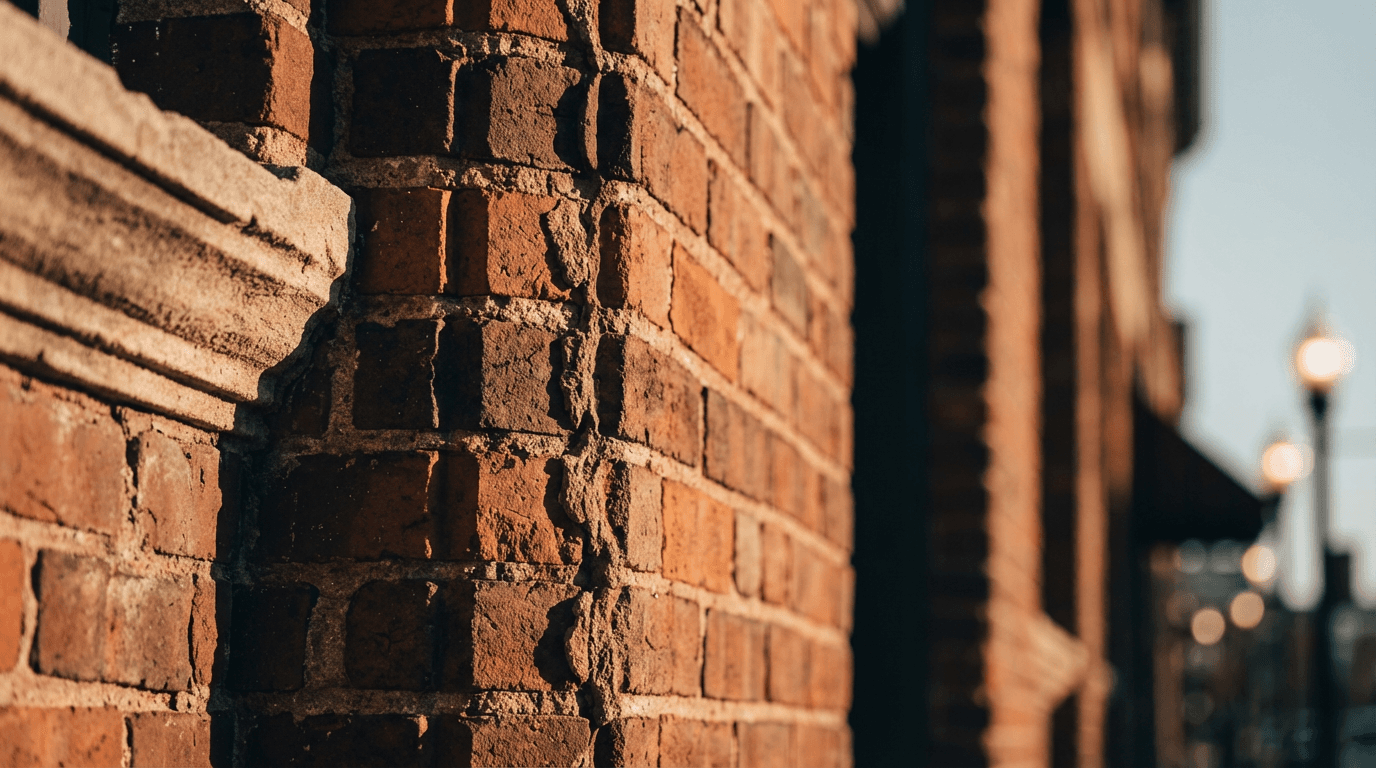
As temperatures drop across Box Elder County and the Wasatch Front during September and October, residents often notice a sudden influx of spotted beetles congregating on their siding. This behavior is typical of the Asian Lady Beetle (Harmonia axyridis), an invasive species with distinct overwintering habits. Unlike Utah's native ladybug species, which generally overwinter outdoors in damp leaf litter or under fallen logs, Asian Lady Beetles seek out prominent, vertical structures that mimic the sun-warmed limestone cliffs of their native habitat.
These insects are highly attracted to illuminated surfaces. They prioritize the south and west facing walls of a home, where the afternoon sun provides the most warmth. In Utah's dry climate, the slight gaps created by shrinking wood siding or settling window frames offer perfect entry points. Once a few beetles find a suitable crevice, they release aggregation pheromones that signal hundreds of others to join them. This mass gathering is often the first sign that homeowners need reliable residential pest management to prevent a full scale indoor infestation.
Identifying this seasonal movement is the first step in learning how to get rid of asian lady beetles before they successfully penetrate the building envelope. If you notice these clusters forming on your exterior walls, you can contact Anders Pest Control to implement an exclusion plan. You can also read more about our local expertise to understand how we manage these specific regional migrations.
Asian Lady Beetle vs Ladybug: How to Tell the Difference
Distinguishing between a beneficial native ladybug and the invasive Asian Lady Beetle requires a close look at the insect's anatomy, specifically the pronotum. The pronotum is the small plate located directly behind the head. In Asian Lady Beetles, this area is white with a distinct black marking that resembles a letter M or W depending on your perspective. Native ladybugs, by contrast, typically have a solid black pronotum with two small white spots on either side that look like eyes.
Feature | Asian Lady Beetle (Harmonia axyridis) | Native Utah Ladybug (Various species) |
|---|---|---|
Pronotum Mark | Black M or W on white background | Black with two white eye spots |
Color Range | Pale tan/orange to deep red | Usually bright red |
Spot Count | 0 to 22 spots; varies widely | Consistent, symmetrical patterns |
Behavior | Aggressive; may bite; swarms buildings | Docile; overwinters in nature |
Color alone is often a deceptive marker. While native ladybugs are usually a vibrant red, Asian Lady Beetles exhibit a broad spectrum ranging from light mustard yellow and pale orange to deep crimson. Some individuals may have as many as 22 spots, while others have no spots at all. This variability often leads homeowners to search for information on how to get rid of asian lady beetles after realizing the insects in their kitchen aren't the friendly garden guests they expected.
Behavioral traits also set these species apart. If you find a beetle inside that pinches your skin, it is almost certainly an Asian Lady Beetle. They are also known for reflex bleeding, a defense mechanism where they release a pungent, yellow fluid from their leg joints when agitated. This fluid can stain walls and upholstery, making reliable residential pest management a necessity for large infestations. You can learn more about our local expertise to see how we handle these nuisance pests in Box Elder County homes.
How to Get Rid of Asian Lady Beetles Inside Your House
Once these beetles make their way past your window screens or door seals, the immediate goal shifts to manual removal. When considering how to get rid of asian lady beetles already inside, the first rule is to never squish them. Squashing an Asian Lady Beetle triggers a defensive mechanism called reflex bleeding. They excrete a yellow, viscous fluid from their leg joints that possesses a pungent, acrid odor. This substance acts as a permanent dye and is notoriously difficult to remove from white trim, porous drywall, and light-colored carpets common in Utah homes.
The most efficient way to manage an indoor swarm is with a vacuum cleaner. However, sucking them directly into a canister or bag often crushes the insects, leaving your equipment smelling like their defensive secretions for weeks. To avoid this, use a modified capture method. Insert a knee-high nylon stocking into the vacuum extension wand or hose. Fold the open end of the stocking back over the rim of the nozzle and secure it tightly with a heavy-duty rubber band.
As you vacuum the beetles, they will be caught safely in the stocking trap rather than entering the vacuum’s internal chamber. This protects your machine and keeps the beetles contained until you are ready for disposal. Periodically check the stocking; once you have gathered a cluster, turn off the vacuum while keeping the nozzle upright to prevent them from crawling back out.
Take the stocking outside immediately for disposal. You can release the beetles into a field far from your property, though they may attempt to fly back toward the heat signature of your home. A more permanent solution for homeowners seeking reliable residential pest management is to submerge the stocking into a bucket of soapy water. The soap breaks the surface tension, ensuring the beetles cannot escape. If you find the volume of beetles overwhelming your DIY efforts, you can contact Anders Pest Control to discuss strategies for clearing the infestation.
Natural Repellents and DIY Methods: What Actually Works?
When homeowners search for how to get rid of asian lady beetles, they often turn to pantry staples like vinegar and baking soda. White vinegar is a practical tool for neutralizing the aggregation pheromones left behind by the initial beetles that find your home. Wiping down window sills and door frames with a 50/50 vinegar and water solution breaks the chemical trail that attracts hundreds of others to the same spot. However, while this disrupts their communication, it is a sanitation measure rather than a long term repellent. It will not stop a determined swarm from landing on your sun warmed siding.
Essential oils such as peppermint and clove are frequently cited as natural deterrents. While these scents are unpleasant to the beetles, they are highly volatile and dissipate quickly in Utah’s dry air. During a heavy fall migration along the Wasatch Front, the biological drive to find a warm overwintering site far outweighs the minor annoyance of a botanical scent. These DIY methods rarely provide the level of protection needed to keep a home beetle free during a peak October invasion.
One dangerous DIY tactic is the use of aerosol foggers or bug bombs inside attic spaces or wall voids. We strongly advise against this. Killing a large cluster of beetles inside a structural cavity leaves behind a mass of decaying organic matter. These carcasses become a primary food source for secondary pests, specifically carpet beetles and larder beetles, which can eventually move into your living spaces to feed on natural fibers and stored foods. Instead of resolving the issue, you may inadvertently trade a seasonal nuisance for a year round infestation. For a safer, more strategic approach, seeking reliable residential pest management is recommended. If you find your home is consistently targeted by these swarms, you can contact Anders Pest Control to evaluate your property's vulnerabilities.
How to Prevent a Lady Beetle Infestation Next Fall
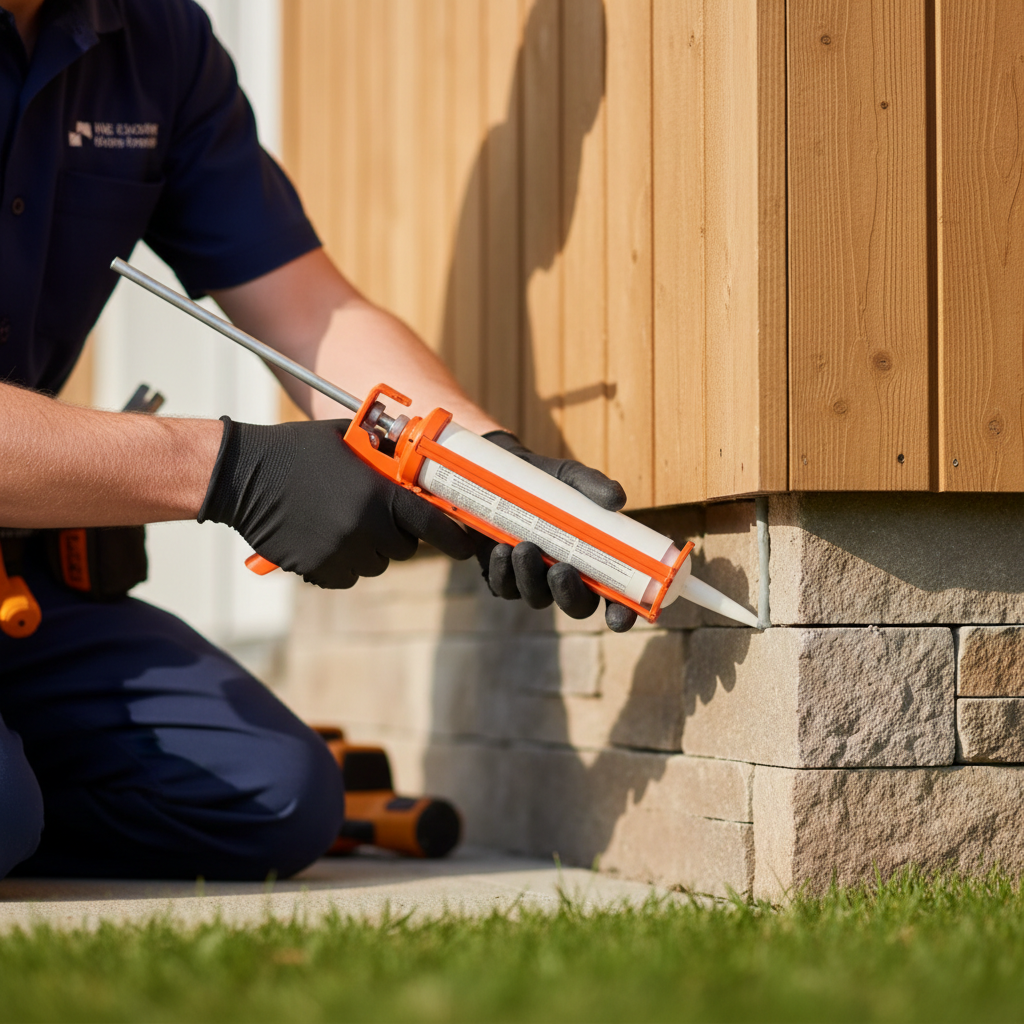
While learning how to get rid of asian lady beetles once they are already in your living room is helpful, the most effective long-term strategy is sealing the building envelope before the first frost hits. In the arid climate of Northern Utah, exclusion is the ultimate solution. Our low humidity causes wood siding, fascia boards, and window frames to shrink over time, creating hairline fractures and gaps. These tiny openings are precisely what the beetles use to reach the safety of your wall voids for the winter.
To effectively proof your home, focus on these high-traffic entry points:
Utility Penetrations: Inspect areas where gas lines, electrical conduits, or plumbing pipes enter the home. Use a high-quality silicone caulk or expandable foam to seal these gaps.
Window A/C Units: These units are notorious for poor seals. If they cannot be removed before fall, use weatherstripping or specialized foam panels to close the gaps between the unit and the window frame.
Attic and Soffit Vents: Ensure these are covered with intact, fine-mesh screening (at least 20x20 mesh). This allows for ventilation while blocking insect entry.
Door Sweeps and Thresholds: If you can see daylight beneath your exterior doors, a beetle can easily crawl through. Install heavy-duty nylon or rubber door sweeps to create a tight seal.
Taking these steps provides reliable residential pest management by physically barring the pests. Because these beetles follow pheromone trails from previous years, an unsealed home remains a permanent target. If you are unsure where your home is vulnerable, you can contact Anders Pest Control for a thorough inspection. Our team understands the unique structural challenges of Box Elder County homes, and you can read more about our local expertise to see how we help neighbors protect their properties from seasonal invasions.
Professional Pest Management for Persistent Swarms
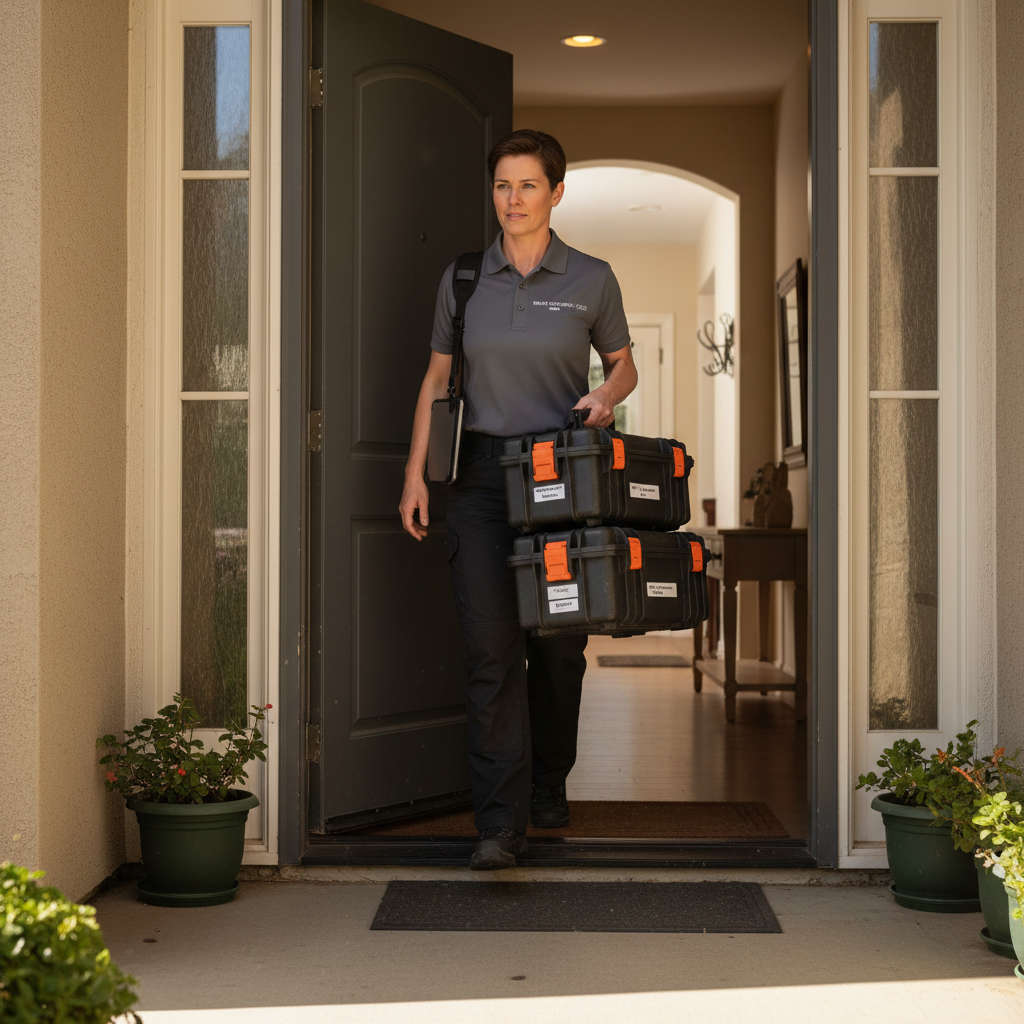
While sealing your home is a critical first step, structural exclusion is rarely 100 percent effective on its own, especially in older Box Elder County homes where settling and wood shrinkage are common. Professional intervention provides the secondary layer of defense needed to maintain a pest free environment. The Anders Pest Control strategy for managing heavy swarms focuses on a proactive exterior barrier. Instead of reacting to an infestation after the beetles have reached your attic or wall voids, we apply a high-quality residual treatment to the building exterior.
Understanding how to get rid of asian lady beetles effectively means shifting the focus from indoor capture to outdoor prevention. Timing is the most important factor in this process. We schedule these applications for late September or early October, just before the first major cold front triggers the beetles' mass flight. By treating the sun-warmed south and west facing walls where the insects are most likely to land, we create a defensive perimeter that neutralizes them on contact. This professional-grade approach is significantly more effective than DIY sprays, as we use specialized formulations designed to withstand the intense UV exposure typical of the Wasatch Front.
Investing in reliable residential pest management eliminates the need to hunt down individual beetles once they are already inside your home. Once they enter the wall voids, they can remain dormant for months, only to emerge on a warm winter day or in the early spring. By stopping them at the exterior envelope, you avoid the risk of staining, odors, and the potential for secondary pest issues like carpet beetles. If your property is a recurring target for these fall invaders, you can contact Anders Pest Control to set up a seasonal protection plan. You can also read more about our local expertise to understand how we tailor our treatments to the specific environmental conditions of Northern Utah.