Elm seed bugs Utah are invasive pests that swarm homes during mid-summer to seek relief from the heat. To prevent an infestation, homeowners should seal cracks around windows and doors while applying perimeter insecticide treatments; vacuuming is the most effective way to remove bugs that have already entered. These pests are often confused with boxelder bugs but are smaller and emit a foul odor when crushed.
If you have noticed small, dark insects swarming your window sills and emitting a pungent odor when disturbed, you are likely dealing with the recent surge of elm seed bugs across Northern Utah. These pests have quickly become a major summer nuisance for homeowners. While they do not bite or cause structural damage, their sheer numbers and persistent nature can make your living space feel compromised. Understanding their behavior is the first step toward reclaiming your home. In this guide, the experts at Anders Pest Control will explain how to distinguish these invaders from the common boxelder bug. We will also cover the environmental factors driving their migration indoors. You will learn practical prevention techniques, natural remedies, and the most effective professional treatment options to secure your property for the long term.
The Rise of Elm Seed Bugs in Northern Utah
Utah homeowners are no strangers to seasonal insects, but a relatively new arrival has quickly climbed the ranks to become one of the most frustrating nuisance pests in the state. While boxelder bugs have been a staple of the Intermountain West for decades, the elm seed bugs Utah residents now face only arrived within the last 10 to 15 years. This invasive species has spread rapidly across Northern Utah, establishing a particularly strong presence in Box Elder County and the surrounding valleys.
Unlike other pests that emerge in the cool moisture of spring, these insects wait for the intense, dry heat of late June and July to make their presence known. During the peak of summer, it is not uncommon to find thousands of these small insects congregating on window screens, door frames, and siding. For many, the sheer volume of the infestation feels like it happened overnight. As temperatures spike, these bugs seek relief from the sun, leading them directly to the cool air escaping from your home. Understanding this shift in the local ecosystem is the first step toward effective residential pest management and reclaiming your property from this mid-summer invasion.
Elm Seed Bug vs Boxelder Bug: How to Tell the Difference

Identifying the specific insect invading your property is the first step toward effective residential pest management. While both insects belong to the same family and share a similar dark coloring, they are distinct species with different behaviors. Many homeowners in Northern Utah mistakenly call any congregating black bug a boxelder bug, but the mid-summer timing and smaller stature of the recent arrivals usually point toward the elm seed bug.
Feature | Elm Seed Bug | Boxelder Bug |
|---|---|---|
Average Size | 1/3 inch (smaller/slender) | 1/2 inch (larger/wider) |
Markings | Rusty-red triangle on the back | Distinct red lines on the wings/thorax |
Peak Season | Mid-summer (June and July) | Spring and Fall |
Primary Diet | Siberian Elm seeds | Boxelder and Maple seeds |
Size is one of the most immediate giveaways. Elm seed bugs are noticeably smaller, measuring roughly one-third of an inch in length. Boxelder bugs are significantly bulkier, often reaching half an inch or more. If you look closely at their markings, elm seed bugs exhibit a dark, rusty-red triangular shape on their backs. Boxelder bugs, however, are recognized by three bright red lines running down the segment behind their head and red borders along their wings.
In Box Elder County, the calendar is often the most accurate diagnostic tool. Boxelder bugs are typically seen during the moderate temperatures of spring or when they seek warmth in the fall. If your home is being swarmed during the intense, dry heat of late June or July, you are dealing with elm seed bugs Utah residents have seen increasingly over the last decade. These insects thrive in temperatures that would normally drive other pests into dormancy, making them a unique challenge during the peak of the Utah summer. Knowing these differences ensures that when you contact Anders Pest Control, we can quickly deploy the specific treatment protocols required for the insect currently threatening your home's comfort.
Why Are Elm Seed Bugs Invading Your Utah Home?
The primary driver behind the massive populations of elm seed bugs Utah homeowners face is the abundance of the Siberian Elm tree. These hardy, fast growing trees are scattered throughout Northern Utah and produce an overwhelming volume of seeds each spring. This localized food source allows the bug population to explode before the summer heat arrives. While they spend their early life cycle feeding outdoors, the arrival of July’s triple digit temperatures triggers a survival instinct that sends them toward your foundation.
As temperatures spike, these insects seek out microclimates that offer relief from the sun. They are incredibly adept at sensing the cool air escaping from window frames, door sweeps, and air conditioning units. This thermal attraction is combined with their sensitivity to the carbon dioxide that humans and pets exhale; this creates a biological beacon that leads them directly to your home. They utilize their slender bodies to squeeze into the smallest cracks and crevices, often congregating in shaded window wells or under siding where the temperature is significantly lower than the surrounding air. Identifying these entry points is a critical component of residential pest management during the peak of the season. If you find your home has become their primary cooling station, you can contact Anders Pest Control to address the infestation before they move deeper into your structure.
Are Elm Seed Bugs Dangerous to People or Pets?
When thousands of insects cover your siding, the immediate concern is often for the safety of your family and pets. Fortunately, elm seed bugs Utah residents encounter are classified as nuisance pests rather than health hazards. They do not bite or sting humans, and they do not carry diseases that affect your household or your animals. Unlike termites or carpenter ants, they are not structural pests; they have no interest in eating the wood or insulation in your home.
The primary issue, aside from the sheer volume of the infestation, is their defense mechanism. When these bugs are crushed or handled roughly, they release a pungent, foul-smelling odor that many describe as similar to bitter almonds or the scent of a common stink bug. This chemical release can linger in carpets and upholstery, making it highly inadvisable to smash them inside your living spaces. If they are disturbed in large numbers, the smell can become quite overwhelming. If the presence of these odorous pests is affecting your quality of life, you should contact Anders Pest Control to discuss professional removal strategies that avoid creating a mess in your home.
How to Get Rid of Elm Seed Bugs Naturally
Managing an influx of these pests requires a tactical approach to avoid the unpleasant odors mentioned previously. The most effective manual removal method is using a vacuum rather than a broom. For large quantities, a shop-vac is ideal. Fill the bottom of the tank with an inch or two of water and a generous amount of liquid dish soap. This prevents the bugs from crawling back out and neutralizes them immediately without releasing their defensive scent.
For clusters on exterior siding or window frames, a simple spray bottle filled with water and a tablespoon of dish soap acts as an effective contact killer. This solution breaks the surface tension of the insect's exoskeleton, causing them to drown quickly. Beyond direct removal, you must eliminate the attractants around your foundation. Clear out accumulated elm seeds and organic debris from gutters, window wells, and porch corners. These areas serve as both a food source and a shaded refuge.
While these natural methods provide immediate relief from visible swarms, they are often temporary measures against a persistent invasion. For a more permanent solution involving residential pest management, addressing the sheer volume of elm seed bugs Utah properties attract often requires a multi-layered approach. If you find yourself vacuuming multiple times a day, it may be time to contact Anders Pest Control for a more robust perimeter strategy.
Preventative Measures for a Bug Proof Perimeter
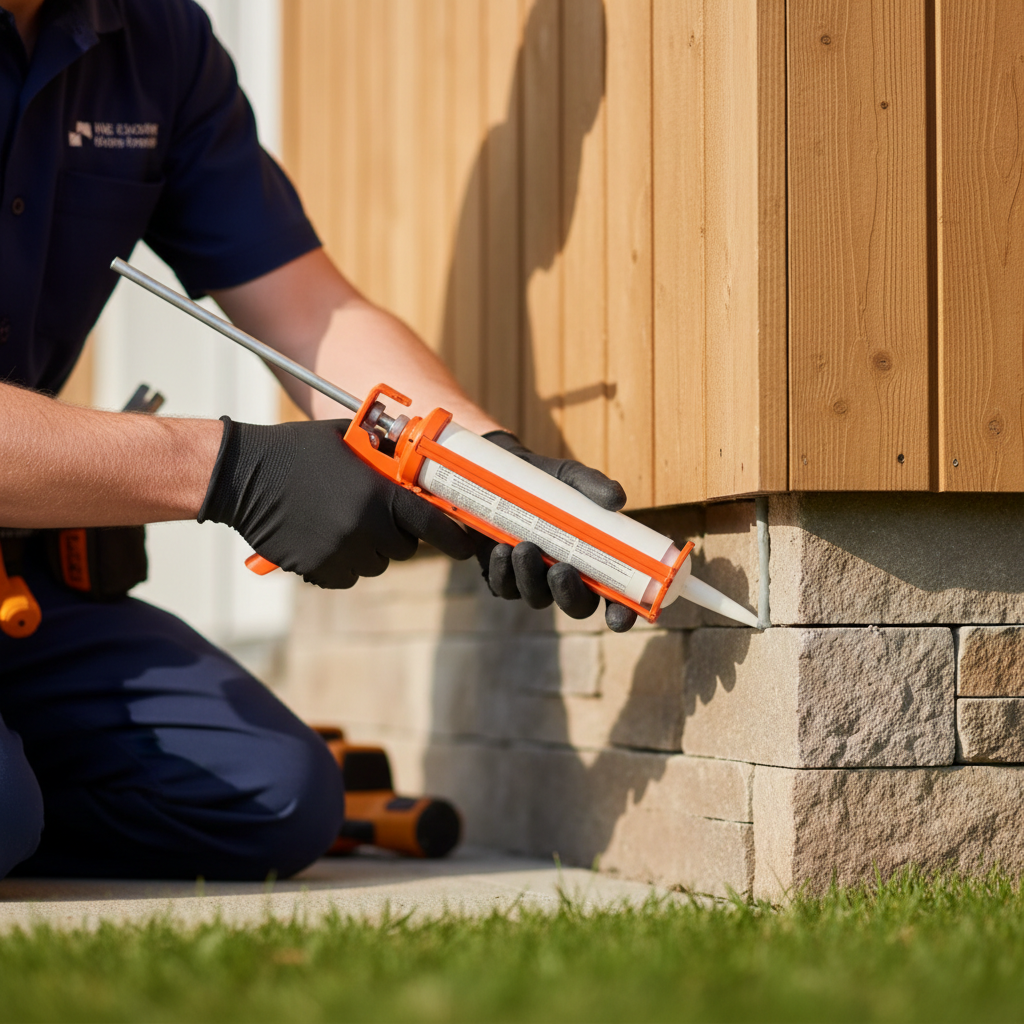
The long-term solution for managing elm seed bugs Utah residents face is a rigorous focus on exclusion. Because these insects are small and motivated by the cool air inside your home, even a hairline fracture in your home’s exterior is an invitation. Utah’s climate plays a significant role here; the intense summer sun and low humidity cause traditional caulking and weatherstripping to become brittle and crack over time. This seasonal expansion and contraction of building materials frequently open new entry points that were not there the previous year.
Start your inspection at ground level. Replace any door sweeps that no longer create a tight seal against the threshold. Pay close attention to utility penetrations, such as where AC refrigerant lines or internet cables enter the siding, and seal these gaps with high-quality silicone or expanding foam. For windows, check that screens are not only free of holes but also seated firmly in their tracks. Since these pests are small and persistent, focusing on the seams around window frames is essential. Taking these steps is a fundamental part of residential pest management that homeowners can perform themselves to reduce the pressure on their indoor spaces. If your perimeter remains compromised despite these efforts, it may be time to contact Anders Pest Control to identify more obscure harborage areas.
Professional Treatment Options and Long Term Protection
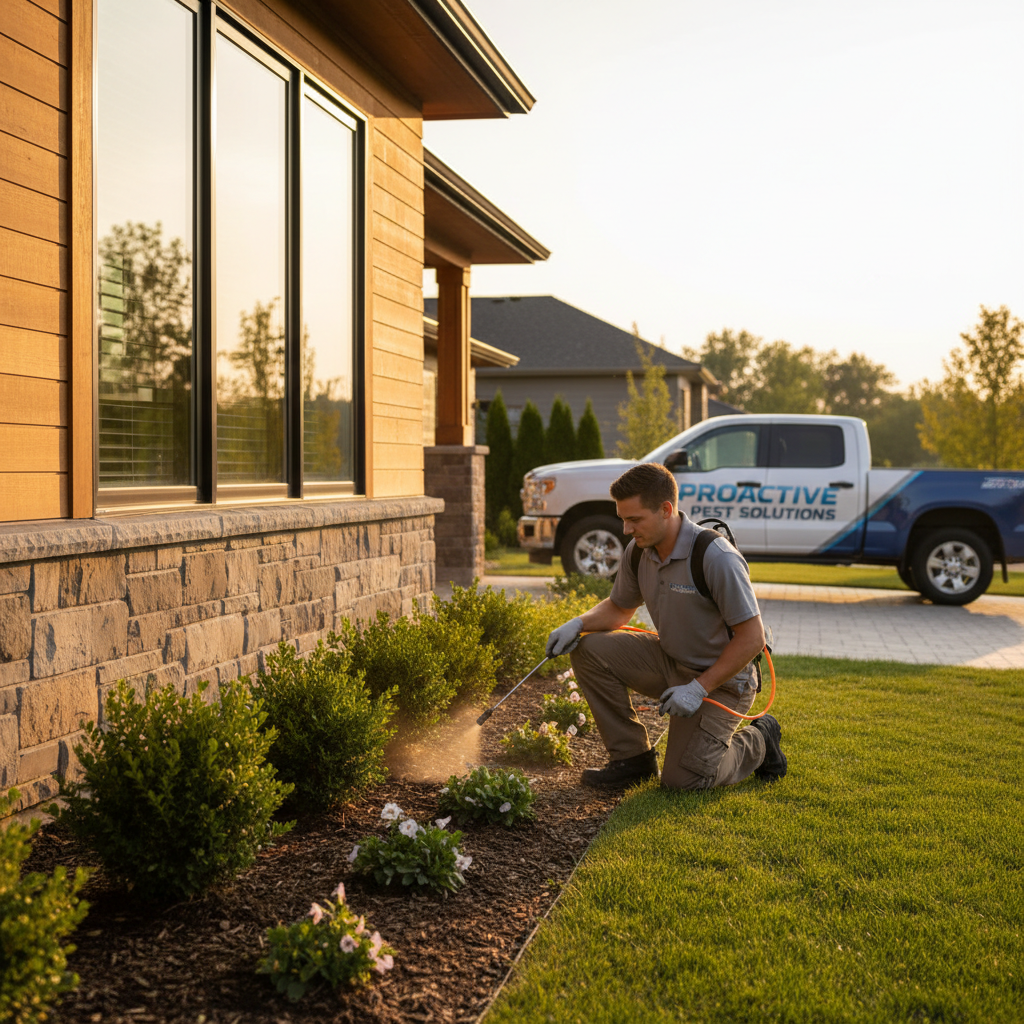
When manual removal and exclusion efforts are overwhelmed by the sheer volume of an infestation, professional intervention becomes necessary to reclaim the exterior of your home. The primary limitation of hardware store sprays is their lack of residual longevity; Utah’s intense UV rays and dry heat quickly break down many over the counter chemicals, leaving your home vulnerable within days. Professional grade treatments, such as specialized Permethrin-based solutions, are formulated to withstand these environmental pressures, creating a durable shield that remains active against elm seed bugs Utah properties attract throughout the summer.
Our approach at Anders Pest Control involves a precision application focused on specific harborage zones that DIY methods often miss. This includes:
Foundation Barriers: A continuous perimeter spray that prevents insects from crawling up the siding.
Eave and Soffit Treatments: Targeting the high, shaded areas where bugs congregate to escape the sun.
Window and Door Penetrations: Applying targeted residuals into the tracks and frames where bugs sense cool air escaping.
This method ensures that the treatment is placed exactly where the insects travel, rather than a generic broadcast application. We prioritize responsible residential pest management by selecting products and concentrations that are effective against hardy invasive species while remaining safe for your family and pets. Because elm seed bugs can reproduce in such massive numbers in the surrounding Siberian Elms, a professional barrier is often the only way to stop the constant influx. If you are tired of battling swarms every time the temperature rises, contact Anders Pest Control to set up a targeted treatment plan for long term protection.