Boxelder bugs utah swarm sunny walls during the fall because they are attracted to heat while seeking protected places to overwinter. To keep them out, seal exterior cracks with caulk, repair damaged window screens, and use a vacuum to remove any clusters that appear on your siding.
As the Utah temperatures begin to dip, you have likely noticed an unwelcome gathering on the sunny, south-facing walls of your home. These distinctive red and black clusters are more than just a nuisance; they represent a strategic attempt by boxelder bugs to bypass your home’s defenses before winter sets in. At Anders Pest Control, we understand that while these insects do not bite or sting, their sheer numbers and staining potential can quickly overwhelm a property. In this guide, we will examine why your home has become a target and provide practical steps to secure your perimeter. You will learn to distinguish these pests from the similar elm seed bug, understand their overwintering habits, and discover the professional methods used to keep them from turning your living room into their winter sanctuary.
The Red and Black Invasion: Understanding Boxelder Bugs in Utah
As autumn settles into Box Elder County and along the Wasatch Front, a familiar sight returns to our neighborhoods. The boxelder bug, known scientifically as Boisea trivittata, is a quintessential Utah fall pest. While these insects are active throughout the summer, feeding on the leaves and seeds of boxelder and maple trees, they typically go unnoticed during the warmer months. It is only when the evening air turns crisp in late September and October that they transition from quiet residents to a visible red and black invasion.
Recognizing boxelder bugs utah is straightforward. Adults reach about half an inch in length, featuring flat, black bodies distinguished by three red lines on the thorax and prominent red or orange markings along the wing edges. As temperatures drop, their biological instincts drive them to leave their host trees and seek out warmth. This shift in behavior explains why homeowners suddenly find thousands of them congregating on siding and windows.
At Anders Pest Control, we provide reliable residential pest management to address these seasonal clusters. These insects are not looking to damage your home; they are simply following the sun, gathering in massive groups that can cover entire sections of a wall in a matter of days. If you want to learn more about Anders Pest Control, you will find our team has extensive experience managing these pests across the unique climate of Northern Utah. Identifying them early is the first step in preventing them from finding their way into your living space.
Why Boxelder Bugs Swarm Sunny Walls Every Fall
The sudden appearance of thousands of insects on your home can be alarming, but understanding the biological drive behind this behavior helps demystify the process. Boxelder bugs utah are driven by a need for thermal regulation. Because they are cold-blooded, they cannot generate their own body heat. As Northern Utah nights drop toward freezing, these insects seek out the warmest possible environments to maintain their metabolic functions.
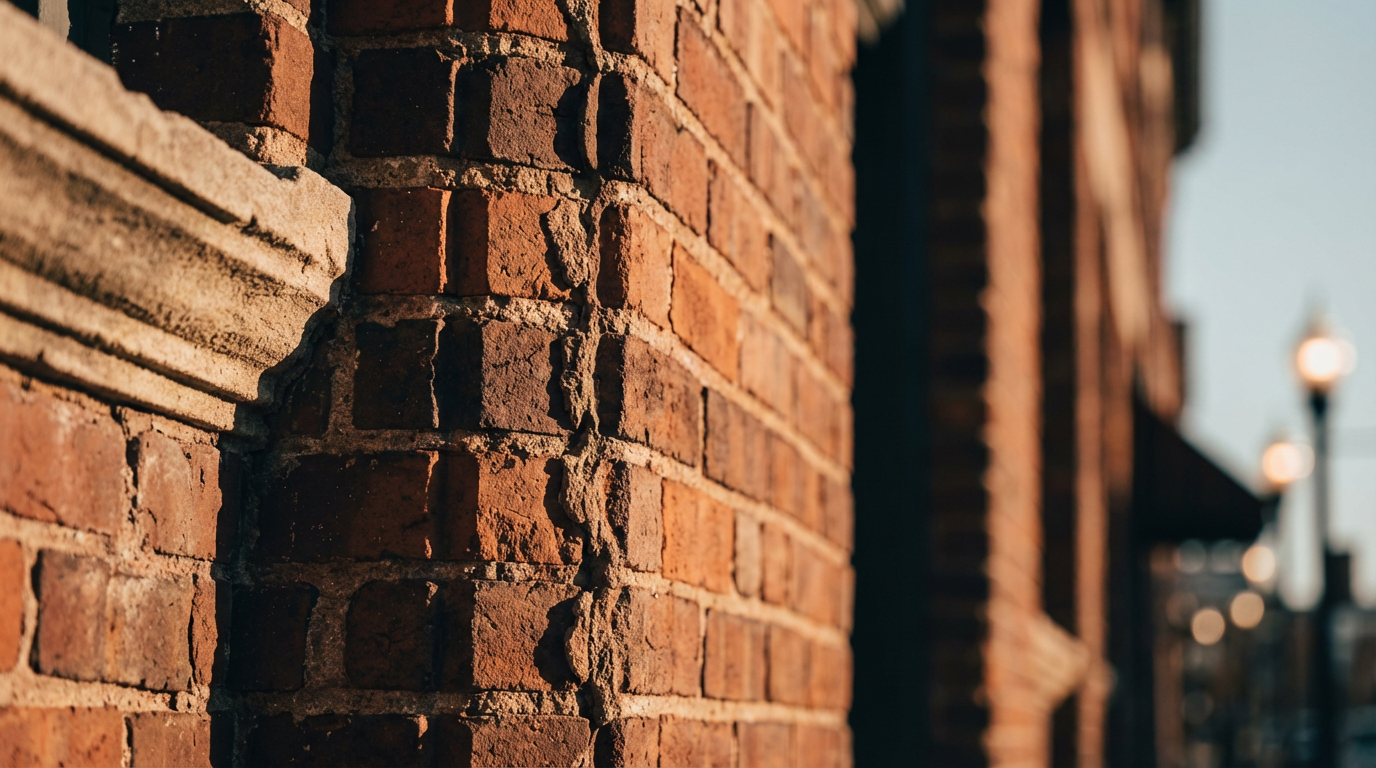
Your home essentially acts as a massive solar radiator. South and west facing walls receive the most direct sunlight during the afternoon, making them the primary targets for swarming. Materials like brick, stone, and dark-colored siding are particularly attractive because they absorb and retain heat long after the sun goes down. This heat absorption provides the bugs with a necessary energy boost before they enter their dormant winter state.
It is important to distinguish this behavior from a traditional pest infestation. Unlike termites or carpenter ants, boxelder bugs are not attracted to your home as a food source or a place to nest and reproduce. They do not eat wood, drywall, or insulation. Instead, they are using the exterior surface as a staging ground. Once they have soaked up enough warmth, they begin searching for small gaps, cracks, or crevices in the building envelope. These openings lead them into wall voids or attics where they can safely overwinter away from the harsh Utah elements. If you notice large clusters forming on your siding, you can contact our team to discuss preventative barriers before these insects make the transition from your walls into your home's interior.
Boxelder Bug vs. Elm Seed Bug: How to Tell the Difference
While the swarming behavior on sunny walls is a hallmark of boxelder bugs utah, it is common for homeowners to misidentify their visitors. In recent years, Northern Utah has seen a surge in elm seed bugs, an invasive species that shares similar habits but requires a different perspective for management. Distinguishing between the two is vital because their peaks of activity and host sources differ significantly.
Physical appearance is the first clue. An adult boxelder bug is roughly half an inch long with a predominantly black body accented by bright red lines along the thorax and wing edges. In contrast, the elm seed bug is noticeably smaller, usually measuring about a third of an inch. Its coloring is a more muted, rusty red or brown, and it features a distinctive dark triangle on its back. If you are unsure which insect is congregating on your siding, our team can help you identify the specific species when you contact our team for a property assessment.
Feature | Boxelder Bug | Elm Seed Bug |
|---|---|---|
Body Length | Approximately 1/2 inch | Approximately 1/3 inch |
Primary Color | Black with bright red/orange | Rusty red, brown, and black |
Key Marking | Three red lines on the thorax | Dark triangle on the mid-back |
Peak Activity | Late September and October | Mid-summer (June through August) |
Primary Host | Boxelder and Maple trees | Siberian Elm trees |
Timing and environment offer the final confirmation. Elm seed bugs are notorious for appearing much earlier in the season, often becoming a nuisance in July during the peak of the summer heat. Boxelder bugs typically wait for the crisp fall air to begin their mass migration toward your home. Furthermore, look at your landscaping. If your property or a neighboring yard features a Siberian elm, you are likely dealing with elm seed bugs. If you have female boxelder trees or maples nearby, the red and black swarms are almost certainly boxelder bugs. Both are considered nuisance pests that do not cause structural damage, though their presence in large numbers can be overwhelming for any property owner.
The Overwintering Cycle: Where Do They Go in Winter?
A common question we hear at Anders Pest Control is whether boxelder bugs utah simply die off when the snow starts to fall. In reality, these insects are surprisingly resilient. Rather than dying, they enter a state of dormancy known as diapause. This is essentially a biological pause button that allows them to survive the freezing temperatures of a Northern Utah winter without needing to feed or remain active.
Once they have finished sunning themselves on your home’s exterior, they begin their migration deeper into the structure. They utilize tiny gaps around window frames, soffits, and utility penetrations to reach sheltered areas like wall voids, attics, and crawl spaces. These protected zones provide just enough insulation to keep the insects above lethal freezing points, effectively hiding them from the elements until spring.
The problem for homeowners usually arises during unseasonably warm winter days. When the sun hits a south-facing wall in January, the internal temperature of a wall void can rise significantly. This localized warmth tricks the bugs into waking up early. As they become active, they naturally move toward heat and light. Often, they take a wrong turn and emerge through baseboards, electrical outlets, or light fixtures into your living room instead of heading back outside. This is why you might find a solitary bug crawling across a window pane while there is still snow on the ground. If you start seeing these early emergers, you can contact our team to discuss how they managed to bypass your home’s exterior seals.
Are Boxelder Bugs Dangerous to Humans or Pets?
Despite their intimidating numbers, boxelder bugs utah pose no physical threat to your family or pets. They are not known to bite, sting, or transmit diseases, making them far less hazardous than other seasonal pests. Furthermore, they do not cause structural damage. They have no interest in eating wood, drywall, or your pantry staples. Because they enter a state of dormancy, they will not breed or lay eggs inside your home during the winter months.
The real issue is the nuisance they create. When these bugs congregate indoors, their excrement can leave small, dark orange or reddish stains on light-colored curtains, upholstery, and carpets. Even more problematic is the defense mechanism they employ when threatened. If you crush or squish them, they release a pungent, foul-smelling liquid. This fluid not only smells unpleasant but can also leave permanent stains on porous surfaces. For these reasons, we advise against using a flyswatter or stepping on them. If you are struggling with a large indoor presence, you can contact our team for professional guidance on mitigation.
How to Keep Boxelder Bugs Out: A Step by Step Prevention Guide
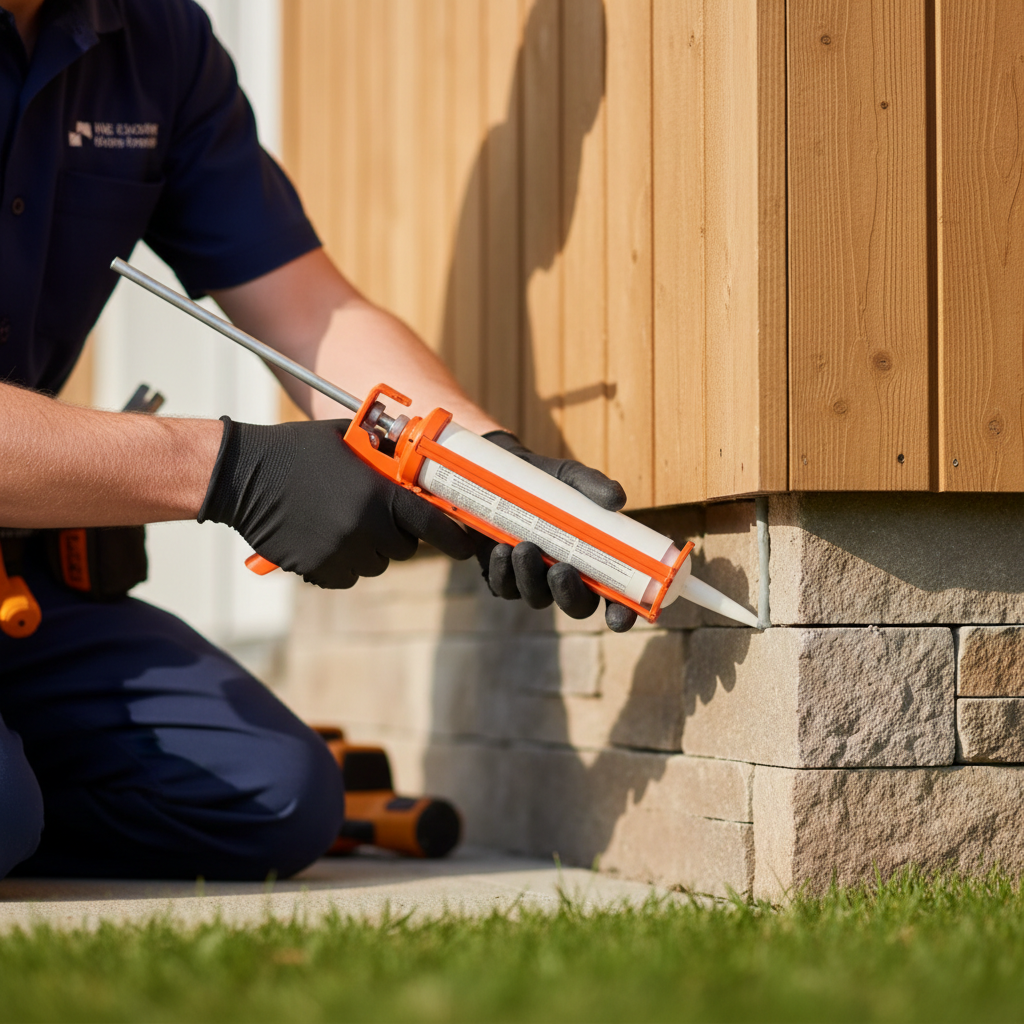
To avoid the need for indoor mitigation altogether, focus on a rigorous exclusion strategy. Preventing boxelder bugs utah from entering your home is significantly more effective than trying to manage them once they have settled into your wall voids. The key is to complete your exclusion work before the first hard frost, as this temperature drop triggers their final push to find indoor shelter.
Focus your efforts on these high priority areas:
Door Sweeps and Weather Stripping: Replace worn sweeps on exterior doors. If you can see daylight through the gap, a bug can easily pass through.
Utility Penetrations: Inspect areas where plumbing, gas lines, or electrical conduits enter the structure. Seal small gaps with high quality silicone or acrylic caulk; use expandable foam for larger openings around HVAC lines.
Windows and Vents: Repair or replace damaged window screens. Ensure that attic and crawl space vents are covered with fine mesh screening, ideally 20-mesh or smaller.
Beyond the structure itself, look at your landscaping. These insects are primarily attracted to female boxelder trees, which are identifiable by their clusters of winged seed pods. If you experience a chronic, heavy infestation every year, removing these host trees or replacing them with male varieties can drastically reduce the local population. For homeowners who want to maintain their trees while protecting their property, you can contact our team to discuss targeted barrier treatments that complement your exclusion efforts. By fortifying the building envelope now, you prevent the stains and odors associated with an indoor winter invasion.
Indoor Management: What to Do if They Are Already Inside
If you discover boxelder bugs utah have already bypassed your defenses, avoid the temptation to use heavy indoor pesticides. Because these insects do not reproduce or feed inside, discharging broad-spectrum chemicals in your living areas is unnecessary and often ineffective against bugs hidden deep in wall voids. The most efficient and safe removal technique is the vacuum method.
Use a vacuum with a hose attachment to suck up the insects from windowsills, baseboards, and curtains. To avoid the foul odor and potential staining caused by crushing them, you must empty the vacuum canister or bag into a sealed outdoor trash receptacle immediately. For bugs still clustered on the exterior, a solution of soapy water acts as a safe contact killer. While effective for immediate cleanup, keep in mind that soapy water provides no residual protection; once the surface dries, it will not deter new bugs from landing. If the indoor population becomes overwhelming, you can contact our team to discuss how we provide reliable residential pest management for Northern Utah homeowners.
When to Call a Professional Utah Pest Control Expert
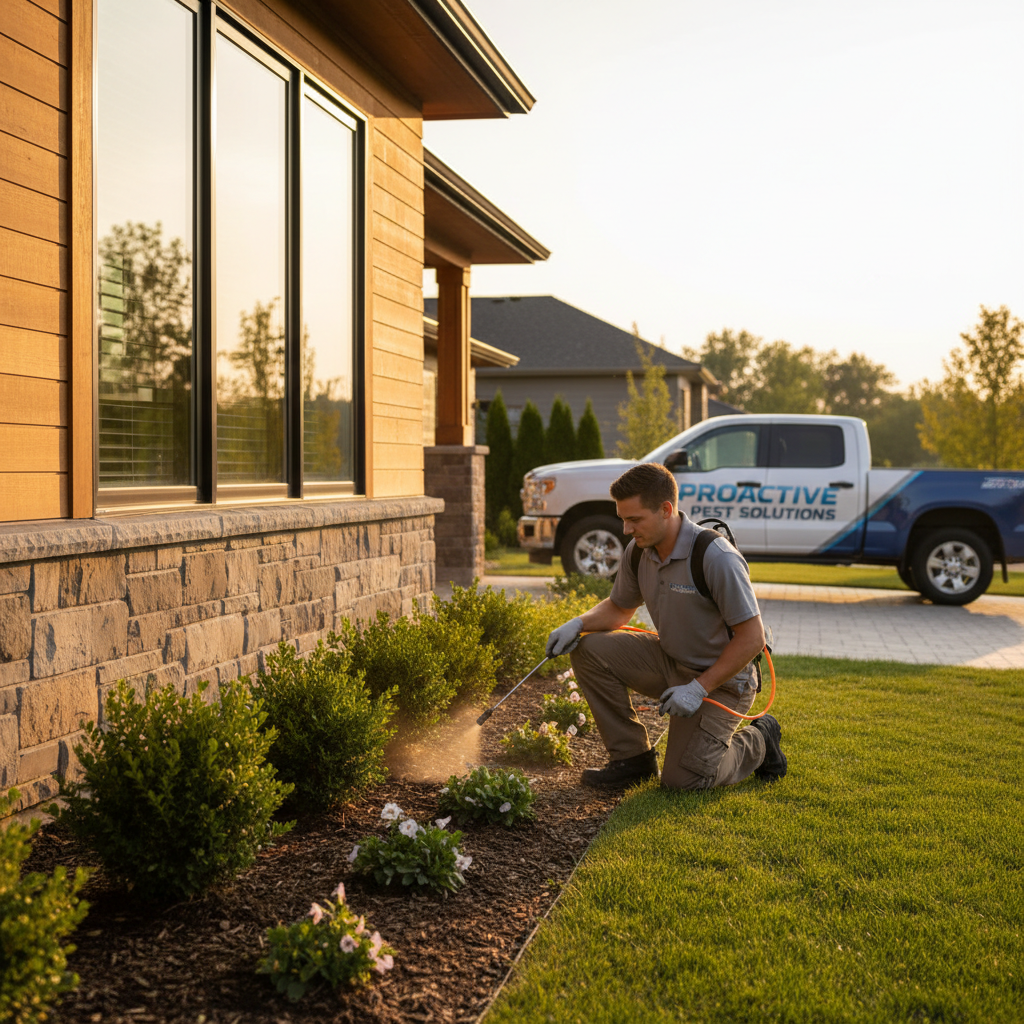
While DIY methods like vacuuming or soapy water sprays offer temporary relief, they rarely solve the underlying problem of a mass migration. A professional exterior power spray is the most effective way to manage boxelder bugs utah before they breach your home's perimeter. Unlike household cleaners that lose efficacy once dry, professional grade treatments create a long-lasting residual barrier on sun-exposed walls. This barrier deters insects from congregating on your siding and prevents them from exploring the cracks and crevices that lead into your attic or wall voids.
Timing is the most critical factor in this process. For the best results, treatments should be applied in late August or September, just before the first major temperature drops trigger the swarming behavior. Once the bugs have successfully moved deep into your home's structure for the winter, external treatments become significantly less effective.
At Anders Pest Control, we understand the specific pest pressures facing homeowners in Box Elder County and the surrounding areas. Our team uses responsible, proven methods tailored to the unique climate of Northern Utah. If you want to protect your property from staining and seasonal nuisances, you can contact our team to schedule a preventative application. To learn more about Anders Pest Control and our commitment to reliable residential pest management, reach out today for a customized solution.