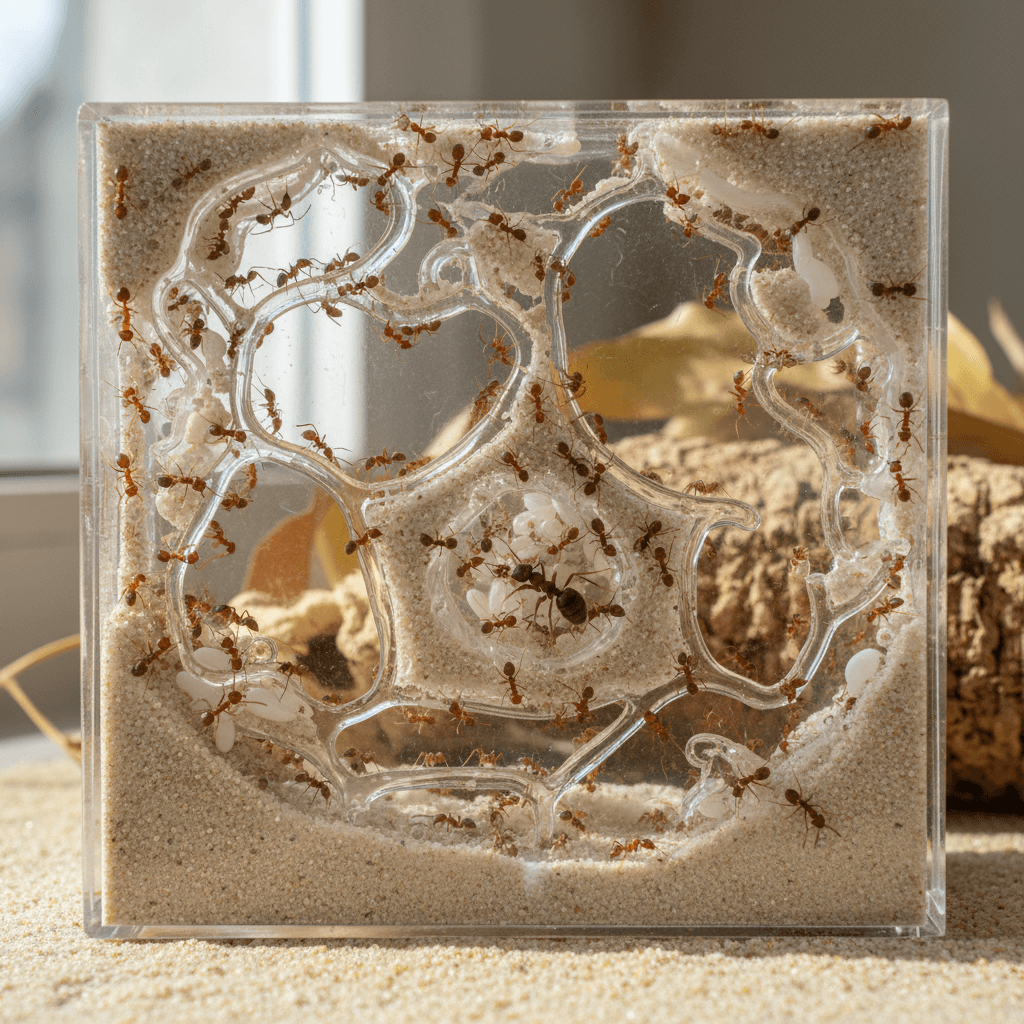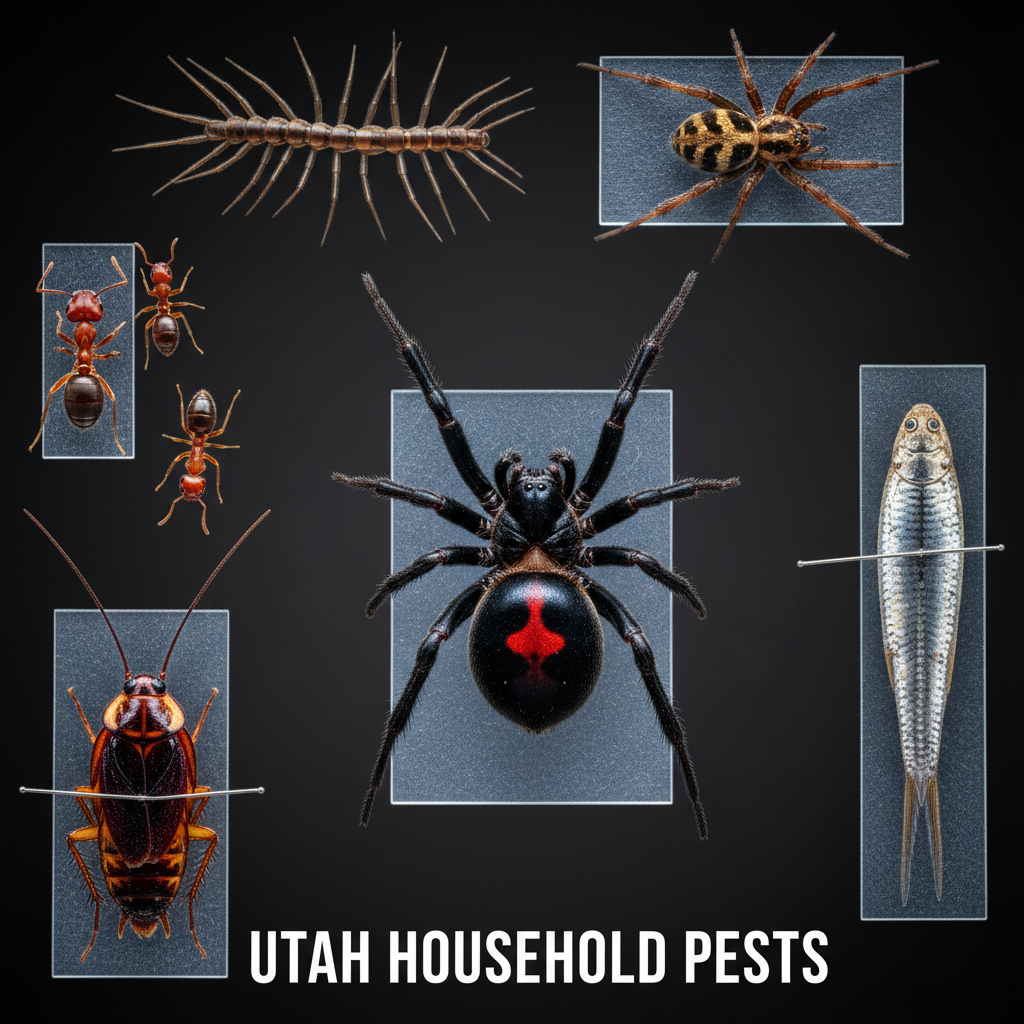
Pavement ants are the most common household species in the region, requiring targeted utah ant control strategies like professional baiting and sealing structural cracks. Effective management focuses on disrupting scent trails and removing food attractants to prevent recurring infestations in local homes and businesses.
It starts with a few small cracks in the driveway or a single line of scouts on the kitchen counter, but a pavement ant infestation in Utah quickly escalates into a persistent household nuisance. These resilient pests are experts at exploiting the unique climate of Northern Utah; they thrive in the gaps of our foundations and the warmth of our living spaces. Understanding the specific behavior of pavement ants is essential because mistaking them for more destructive species like carpenter ants can lead to costly mistakes in your treatment approach. In this guide, we provide a definitive look at identifying these common intruders, comparing them to other local pests, and explaining why they target your property. You will discover professional strategies for effective removal and practical prevention steps to keep your home ant free throughout the year.
The Pavement Ant Problem in Northern Utah
Pavement ants, scientifically known as Tetramorium caespitum, are officially the most common household ant found throughout Northern Utah. From the residential streets of Box Elder County to the growing communities along the Wasatch Front, these small, dark brown insects are a constant presence. They earn their common name by nesting in the soil beneath sidewalks, driveways, and building foundations, where the concrete provides stable thermal protection for their colonies.
The problem arises when these colonies expand or when outdoor conditions shift. Because pavement ants are highly opportunistic, they frequently migrate from under your patio or driveway directly into your home through microscopic foundation cracks or gaps around doors. Once inside, they quickly establish trails to kitchens and pantries in search of food.
Effective utah ant control requires understanding these specific nesting habits and local environmental pressures. At Anders Pest Control, we provide reliable residential and commercial pest management to address these infestations at their source. Because every property is structured differently, our solutions are customized to each client’s needs, ensuring that we don't just eliminate the foragers you see, but protect your entire structure from future migrations. Identifying these pests correctly is the first step toward reclaiming your space from these persistent foragers.
Identification: Pavement Ants vs Carpenter Ants in Utah

Correctly identifying the species is the first step in effective utah ant control, as the treatment strategy for a nuisance colony differs significantly from one required for a wood destroying infestation. Homeowners in Northern Utah often mistake pavement ants for carpenter ants, yet the two are physically and behaviorally distinct.
Pavement ants are small, measuring approximately 1/8 inch in length. They range in color from dark brown to black. If you examine a pavement ant under a magnifying lens, you will notice distinct, parallel grooves running along the head and thorax. This is a primary scientific identifier used by professionals to confirm the species. In contrast, carpenter ants are giants by comparison, often reaching 1/4 to 1/2 inch in length, and they frequently display a reddish black hue.
The primary concern with misidentification is the level of structural risk involved.
Feature | Pavement Ant (Tetramorium) | Carpenter Ant (Camponotus) |
|---|---|---|
Body Size | Small (1/8 inch) | Large (1/4 to 1/2 inch) |
Coloring | Uniform dark brown or black | Reddish-black or solid black |
Nesting Site | Soil, under slabs, or pavement | Inside wood, wall voids, or insulation |
Impact | Nuisance and food contamination | Structural wood excavation |
While pavement ants are primarily a nuisance that nests in soil or beneath concrete slabs, carpenter ants tunnel through wood to create galleries for their young. This tunneling can compromise the integrity of your home over time. Because these pests require different intervention methods, Anders Pest Control provides reliable residential and commercial pest management tailored to the specific biology of the invading colony. Understanding these physical differences ensures we apply the right solution rather than a generic fix.
Pavement Ants vs Sugar Ants: What is the Difference?
Utah homeowners frequently use the term sugar ant to describe any small, dark insect crawling across kitchen counters. In Northern Utah, this is almost always a misnomer; the true sugar ant is a species native to Australia. When you see tiny foragers in your pantry, you are likely dealing with the pavement ant.
Pavement ants are generalist scavengers. Unlike species that strictly prefer sweets, these ants are attracted to a wide range of food sources found in residential and commercial settings:
Sweets: Sugars, honey, and fruit juices.
Proteins: Meats, seeds, and pet food.
Greases: Cooking oils and fats found near stoves or drains.
This varied appetite explains why they are found in both kitchens and pantries. Because their nutritional needs change based on the colony's growth cycle, effective utah ant control requires professional knowledge of these dietary shifts. Anders Pest Control provides reliable residential and commercial pest management customized to each client’s needs, ensuring we eliminate the specific attractants drawing ants into your home.
Why Pavement Ants Invade Utah Homes and Businesses
The prevalence of pavement ants in Box Elder County is largely tied to Utah’s unique environmental cycle. As the region transitions from wet, cool springs into the scorching heat of dry summers, the soil outside rapidly loses the moisture these colonies need to survive. This environmental stress drives workers to forage further afield, eventually leading them into the relative cool and humidity of your crawl space, basement, or kitchen.
Utah’s suburban expansion has also played a significant role. The widespread use of concrete for patios, driveways, and sidewalks provides a massive heat sink. These slabs protect the colony from temperature extremes, creating a stable thermal environment where the queen and her brood can remain protected year-round. Once a colony is established beneath a slab, the ants enter structures through microscopic cracks in the foundation, gaps around utility lines, or spaces around doors and windows.
Because these insects are small enough to fit through the edge of a credit card, traditional barriers often fail to keep them out. At Anders Pest Control, we offer reliable residential and commercial pest management that addresses these specific entry points. Our preventative services focus on creating a defensive perimeter that accounts for Utah's specific climate shifts. By providing solutions customized to each client’s needs, we stop the search for moisture before it results in an indoor invasion. Professional utah ant control is essential because these pests are experts at exploiting the very structures we build to stay comfortable.
Do Pavement Ants Bite or Pose a Health Risk?
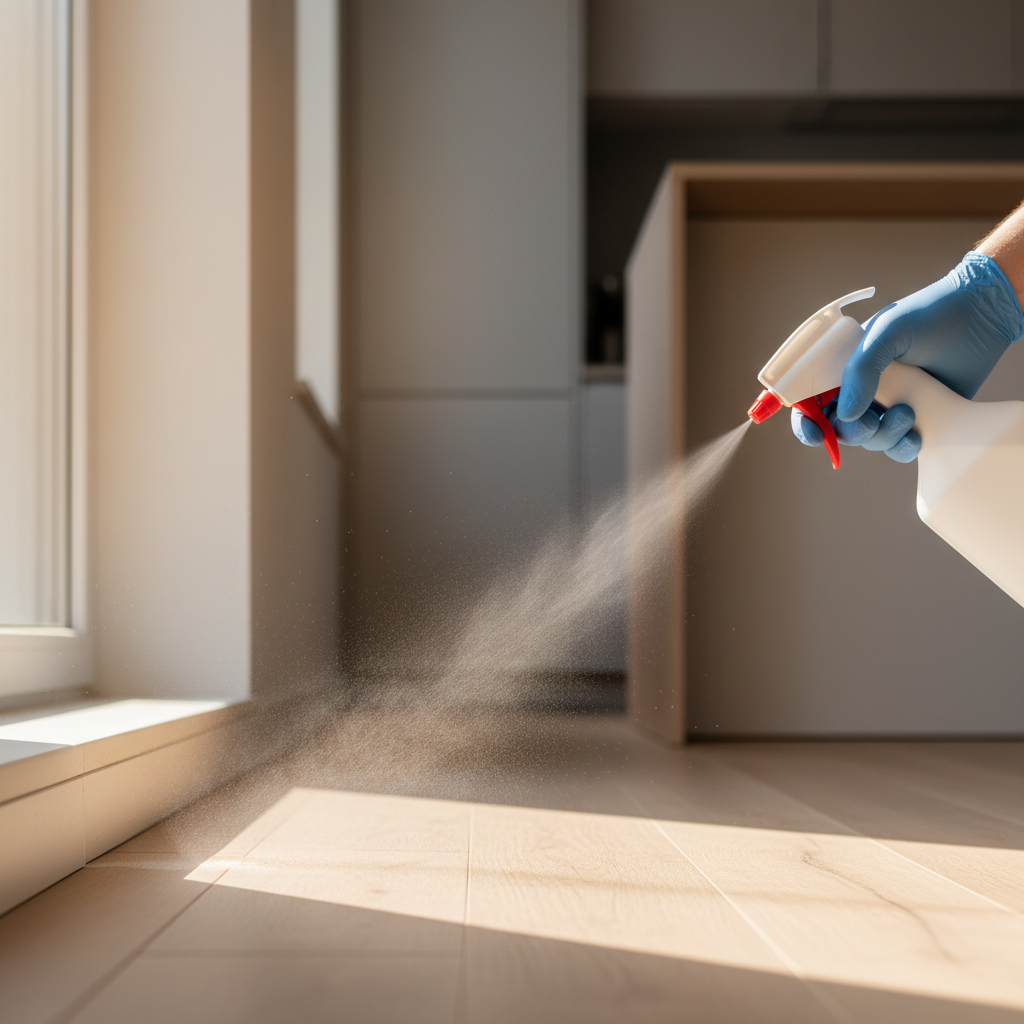
Pavement ants do possess small stingers and are technically capable of biting, but they are generally non-aggressive toward humans. In the rare event of a sting, the sensation is typically negligible and lacks the venomous impact of more aggressive species. They do not pose a direct physical threat to your family or pets in terms of injury. However, their presence in a Utah kitchen represents a significant sanitation concern rather than a physical one.
Because these ants forage in soil, near waste bins, and under outdoor slabs, they naturally pick up various pathogens. When they migrate into your pantry or across commercial prep tables, they act as mechanical vectors for bacteria. This risk makes professional utah ant control a necessity for maintaining a hygienic environment. At Anders Pest Control, we offer reliable residential and commercial pest management designed to eliminate these pathways of contamination. We provide solutions customized to each client’s needs to ensure that your food surfaces remain clean. Furthermore, regular preventative services stop these colonies from turning a minor nuisance into a genuine food safety hazard.
What Time of Year are Pavement Ants Most Active in Utah?
In Box Elder County and along the Wasatch Front, pavement ant activity follows a predictable seasonal rhythm tied to soil temperature. Homeowners typically notice the first major spike in late spring, specifically during April and May. This is the period when colonies swarm, sending winged reproductive ants out to find new nesting sites. During these months, you may see large groups of ants emerging from sidewalk cracks or basement floor joints as the ground warms and the colony expands.
As Utah transitions into the intense summer heat of July and August, these ants remain highly active. They rely on the thermal stability of concrete slabs to survive the high temperatures, often shifting their foraging patterns to the cooler hours of the night or early morning. Because these colonies are so resilient, activity does not necessarily cease when the first frost arrives. If a colony has established itself within a wall void near a heat source, behind a water heater, or underneath a heated slab, they can remain active throughout the Utah winter.
This year round potential is why Anders Pest Control emphasizes preventative services rather than reactive treatments. By providing reliable residential and commercial pest management customized to each client’s needs, we ensure that seasonal spikes do not turn into permanent indoor infestations. Effective [utah ant control] requires understanding these biological timelines to intercept the colony before swarming begins.
How to Get Pavement Ants Out of Your House: DIY vs Professional Methods
When a homeowner spots a line of ants marching toward a spilled drop of honey, the immediate instinct is often to reach for a bottle of vinegar or a store-bought spray. While these common DIY remedies can temporarily clear a countertop, they rarely address the root of the infestation. Vinegar and soapy water effectively mask the pheromone trails that ants use to navigate, but they do not eliminate the colony. Similarly, borax-based home mixtures or retail bait stations often fail because they are either too repellent, preventing the ants from taking the bait, or so fast-acting that the forager dies before it can return to the nest.
The primary reason DIY methods fail is the "forager trap." The ants you see in your kitchen represent only a small fraction of the total population. Because pavement ants nest deep in the soil beneath concrete slabs, the queen and the brood remain protected from surface treatments. Killing fifty foragers with a contact spray does nothing to stop a queen that can produce hundreds of new workers every week.
Method | Primary Target | Long-Term Outcome |
|---|---|---|
Vinegar/Cleaners | Scent Trails | Temporary disruption; ants find new routes. |
Contact Sprays | Visible Foragers | Immediate kill of individuals; nest remains active. |
Retail Baits | Foragers | Hit-or-miss; often fails to reach the queen. |
Professional Control | Entire Colony | Complete elimination via social transfer. |
At Anders Pest Control, we provide reliable residential and commercial pest management that utilizes the ants' own social behaviors against them. We use non-repellent, targeted treatments that workers unknowingly carry back to the heart of the nest. Through food sharing and grooming, the treatment reaches the queen and the larvae, ensuring the entire colony is neutralized. By providing solutions customized to each client’s needs, we solve the specific utah ant control challenges presented by your property's layout. This expert approach stops the cycle of recurring infestations, while our preventative services ensure your home remains protected long after the initial colony is gone.
Preventative Measures for Long Term Protection
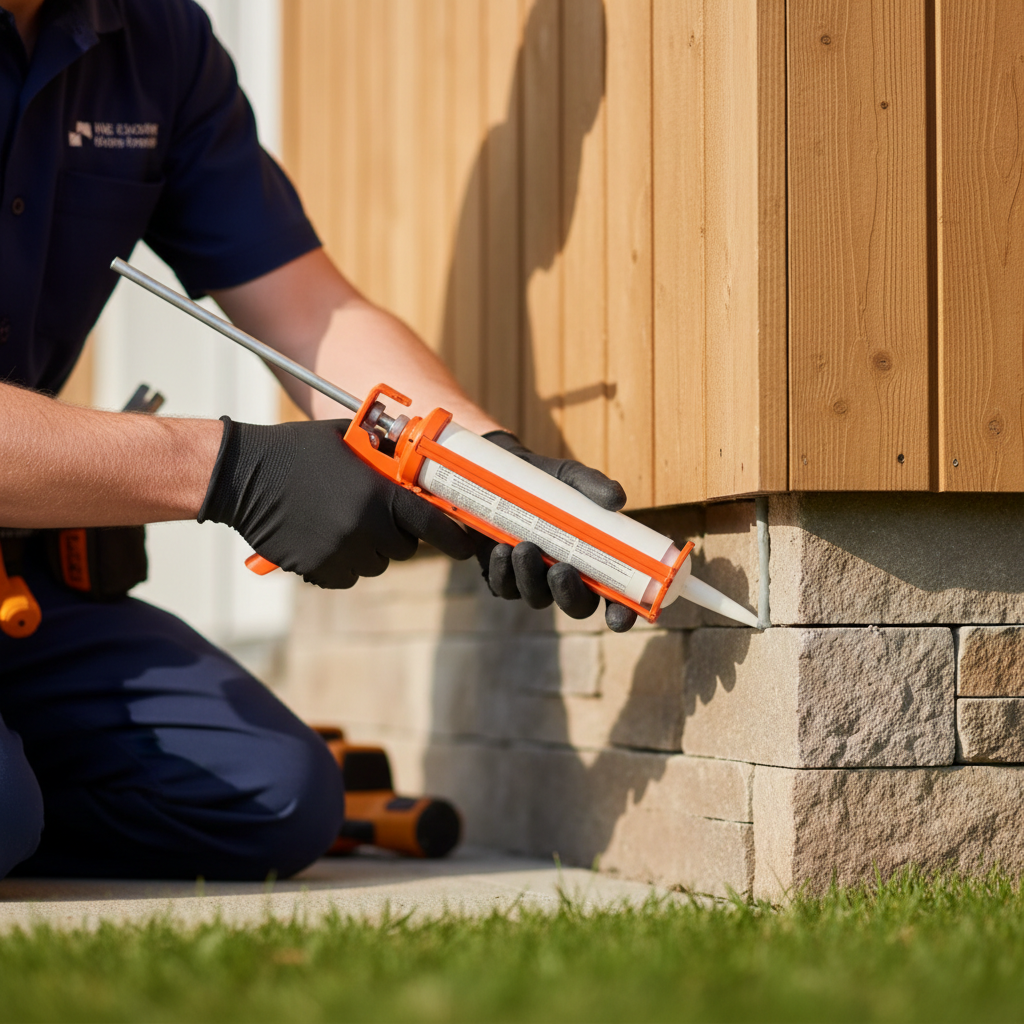
Creating a long term barrier against pavement ants requires a multi layered approach that targets their food sources, entry points, and nesting preferences. Start with strict sanitation. Because these ants forage for sugars and greases, wipe down counters daily and ensure pet food is stored in airtight containers. Spills must be addressed immediately to prevent pheromone trails from being established in your kitchen or pantry.
Next, focus on physical exclusion. Inspect the exterior of your property for gaps around utility lines, plumbing penetrations, and foundation cracks. Applying a high quality silicone caulk to these openings can block the microscopic paths pavement ants use to enter. Ensure that door sweeps are in good repair and make full contact with the threshold to eliminate gaps at ground level.
Landscaping also plays a critical role. Pavement ants frequently nest in the damp soil beneath mulch. Keep mulch, leaf litter, and thick vegetation at least one foot away from the foundation. Raking mulch back exposes potential nesting sites to the dry Utah air, making the immediate perimeter of your home less hospitable to colony expansion.
While these steps are essential, they are most effective when paired with regular preventative services. At Anders Pest Control, we provide reliable residential and commercial pest management customized to each client’s needs. A professional perimeter treatment is the most reliable way to maintain utah ant control throughout the changing seasons, ensuring that foragers are intercepted long before they reach your living space.
Managing pavement ants in Utah requires a combination of consistent home maintenance and proactive outdoor prevention. While these strategies can help you handle minor sightings, persistent colonies often require a more targeted approach. If you want expert help to keep your property protected throughout the year, our team is ready to assist. You can explore our available Services to see how we address specific ant concerns in your area. Professional support ensures your home remains a comfortable and pest free space for your family.