
August is the most critical month because mice begin scouting Utah homes for winter nesting sites as temperatures start to shift. Effective mouse prevention Utah fall tactics include sealing all exterior cracks larger than one-quarter inch, removing yard debris, and trimming vegetation away from the home's foundation to eliminate easy access.
As the heat of a Utah summer begins to taper off in mid-August, most homeowners are focused on school supplies and yard work. However, beneath the surface of your property, local rodents are already executing their winter relocation strategy. While you might not see a mouse in your kitchen until the first frost hits, the scouting process starts now. These pests are currently identifying vulnerabilities in your foundation to secure a warm nesting site. At Anders Pest Control, we know that waiting until you hear scratching in the walls is a tactical error. In this guide, we will explain why August is the most critical month for rodent defense. You will learn how to identify entry points the size of a dime, understand the Hantavirus risks posed by Northern Utah deer mice, and discover why professional perimeter management is the only way to ensure a pest-free winter.
The Mid August Scouting Season: Why Utah Mice Are Already Planning Their Winter
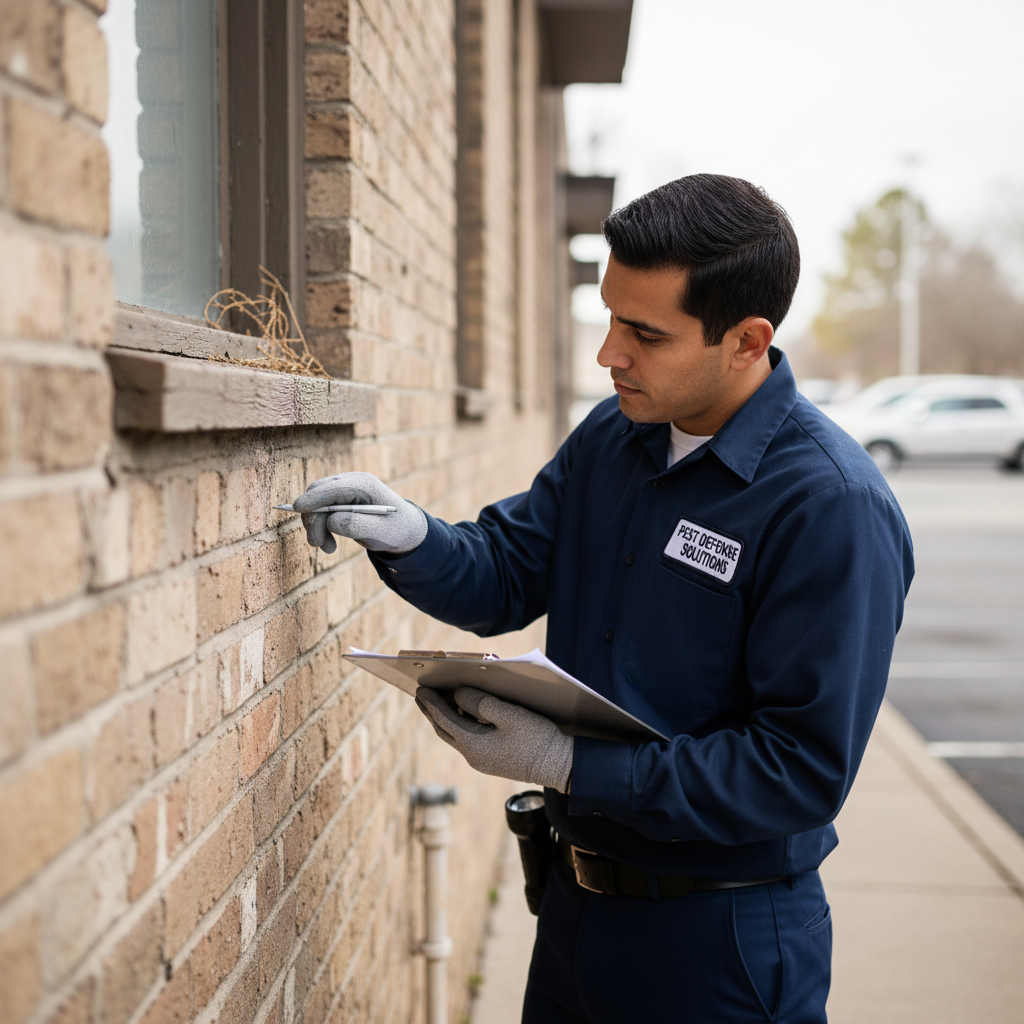
For homeowners in Northern Utah, the transition from summer to fall starts earlier than the calendar suggests. While daytime temperatures in Box Elder County often remain high through August, our high-desert climate brings noticeably cooler nights starting in the middle of the month. This shift triggers a sophisticated biological instinct in rodents known as scouting behavior. During this phase, mice are not yet seeking permanent warmth for survival, but they are actively identifying potential winter harborages and consistent food sources.
While you are still enjoying evening barbecues, local mice are busy exploring foundations, rooflines, and utility gaps to map out entry points. They leave behind invisible pheromone trails that act as a GPS for other rodents. By the time the first hard frost hits in October, the local mouse population has already established a network of trails leading into your crawlspaces or wall voids. Waiting until you see a mouse in your kitchen to start your mouse prevention Utah fall plan means you are reacting to an established path rather than preventing one.
Differentiating between a random sighting and a scouting mission is critical. Once a mouse identifies a weakness in your home's exterior, it will return repeatedly to test that opening. Effectively managing your property requires intervening during this late August window before the rodents commit to your structure for the season. Utilizing professional residential pest management during this scouting period ensures these early explorers are deterred before they can invite the rest of the colony. If you suspect activity around your foundation now, you should contact us for a rodent inspection to disrupt these early seasonal patterns.
The Deer Mouse Threat: Hantavirus and Health Risks in Northern Utah
Identifying the specific type of rodent entering your home is a matter of safety, not just curiosity. In Box Elder County and the surrounding high-desert regions, the primary concern is the deer mouse. Unlike the common house mouse, which is typically a solid dusty gray, the deer mouse is easily identified by its white underbelly and feet, large ears, and a tail that is distinctly dark on top and light on the bottom. While house mice are considered a nuisance, deer mice are the primary carriers of Sin Nombre virus, the pathogen responsible for Hantavirus Pulmonary Syndrome (HPS).
Research conducted by the University of Utah has highlighted the severity of this risk in our state, showing that hantavirus prevalence can reach nearly 30 percent in rodent populations in specific rural and foothill areas. This makes mouse prevention Utah fall efforts essential for protecting your family's health. The virus is most commonly transmitted to humans when dust contaminated with rodent urine, droppings, or nesting material is stirred up and inhaled.
A common question we receive is how long mouse droppings remain toxic. Under typical household conditions, the virus remains active for approximately two to three days; however, sunlight can shorten this window, while dark, humid areas like crawlspaces can allow the virus to persist longer. You should never sweep or vacuum dry droppings, as this aerosolizes the virus.
Early hantavirus symptoms in humans often mimic the flu, including:
Fatigue, fever, and muscle aches, especially in the large muscle groups like thighs, hips, and back.
Dizziness, chills, and abdominal pain.
Late-stage symptoms (4 to 10 days later) include coughing and severe shortness of breath as the lungs fill with fluid.
Because of these risks, handling an established population of deer mice requires specialized equipment and protocols. If you find signs of activity in your garage, attic, or basement, contact us for a rodent inspection rather than attempting to clean the area yourself. Our residential pest management protocols ensure that nesting sites are handled safely to prevent the spread of pathogens throughout your ventilation system.
The Dime Rule: Identifying and Sealing Entry Points
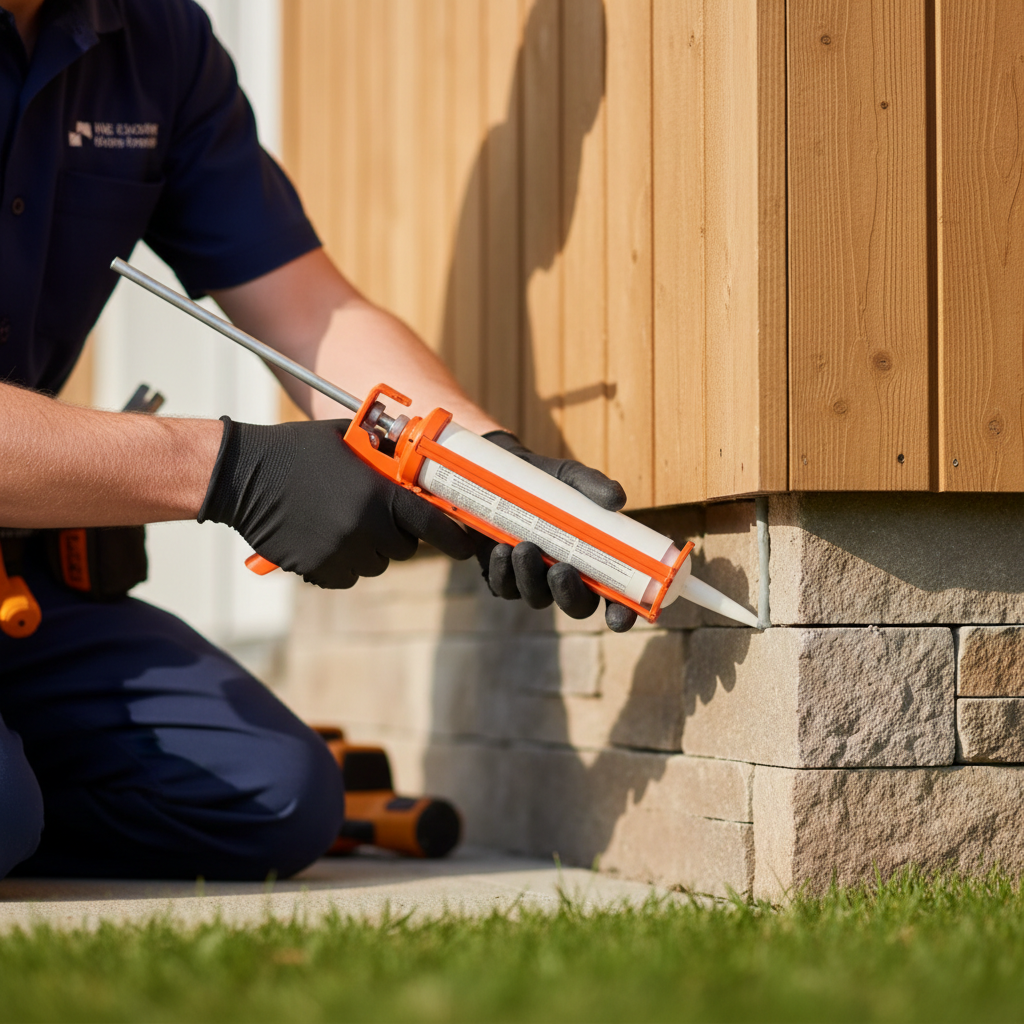
The physical capability of a deer mouse to penetrate a structure is often underestimated. Because mice have highly flexible skeletons and collapsible rib cages, any opening that can accommodate their skull will allow the rest of their body to pass through. This brings us to the Dime Rule: if a gap or crack is the size of a dime, approximately one fourth of an inch, it is a viable entry point for a rodent. During your mouse prevention Utah fall inspections, this measurement should be your baseline for every exterior surface of your property.
Effective exclusion requires a meticulous walkthrough of the home’s perimeter. Focus your attention on these common failure points:
Foundation Gaps and Siding: Inspect where the siding meets the foundation. Many Utah homes use vinyl or wood siding that can leave small gaps at the bottom edge.
Utility Penetrations: Examine where HVAC lines, gas pipes, and electrical conduits enter the house. These are often oversized and poorly sealed.
Brick Weep Holes: While necessary for moisture drainage, these vertical gaps in brick siding are perfect doorways for mice.
Walkout Basements: Popular in Box Elder County’s varied terrain, the thresholds of walkout basement doors often have worn weatherstripping that provides easy access.
Rooflines and Soffits: Mice are excellent climbers. Check the junctions where different roof levels meet.
The choice of materials is just as critical as finding the holes. Many DIY enthusiasts reach for cans of expanding foam, but this is a mistake when used alone. Mice can easily chew through hardened foam to reopen a path. Instead, use heavy, non-chewable materials. Pack gaps with stainless steel wool or copper mesh before sealing them with high quality, exterior grade caulk or mortar. For larger openings, hardware cloth provides a permanent barrier.
If you identify multiple entry points or feel overwhelmed by the technical requirements of exclusion, we provide comprehensive residential pest management and commercial pest control to secure your property professionally. Taking these steps now prevents the scouting mice from ever establishing a foothold inside your walls. If you are unsure if an opening is secure, contact us for a rodent inspection to ensure your home’s envelope is truly mouse proof.
Managing Your Property Perimeter to Reduce Rodent Pressure
Securing the exterior envelope is only half the battle; reducing the overall rodent pressure on your property is equally vital for effective mouse prevention Utah fall. Environmental modifications disrupt the scouting process by making your yard less hospitable. Firewood stacks should be moved at least 20 feet away from the structure and elevated off the ground. These piles provide the perfect insulated sanctuary for scouting mice to hide while they wait for an opportunity to enter your home.
Vegetation management is another critical step in Northern Utah. Native shrubs like Big Sagebrush and Rabbitbrush often grow dense and close to foundations, providing rodents with covered pathways. Trim these plants back so there is at least a two foot gap between the foliage and your siding. This removes the natural bridge rodents use to reach higher entry points like window sills or utility penetrations. Similarly, keep outdoor garbage cans tightly sealed and positioned away from the house. For business owners in Box Elder County, commercial pest control often begins with managing these high traffic waste areas to prevent a localized population explosion.
Many homeowners ask what smell do mice absolutely hate, hoping that peppermint oil, dryer sheets, or botanical sprays will act as a barrier. While these items may have a pungent scent, they are ineffective long term solutions. Mice are highly adaptable; the biological drive for warmth and food in our high desert climate far outweighs a temporary odor. These home remedies often lead to a false sense of security while an infestation establishes itself behind your walls. Professional sanitation and exclusion remain the only permanent solutions for residential pest management. If you are noticing increased activity near your property's perimeter, contact us for a rodent inspection to evaluate your exterior defenses.
Early Warning Signs: Droppings, Gnaw Marks, and Nighttime Activity
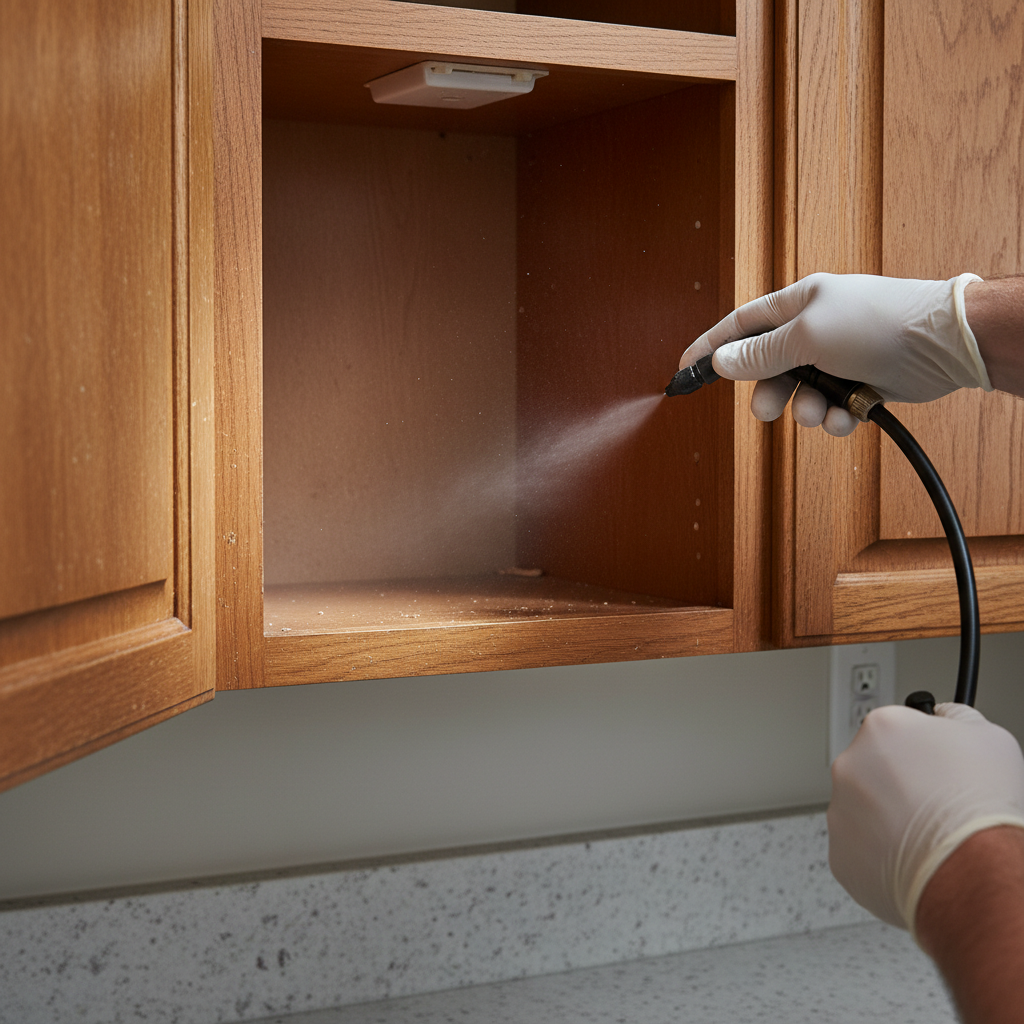
Recognizing the subtle evidence of a scouting mouse requires looking beyond the obvious. During the mouse prevention Utah fall season, droppings are often the first clue. Fresh droppings are dark and have a soft, putty like consistency. If you find droppings that are gray, dry, and crumble easily when touched with a tool, you are likely looking at an old nesting site. However, the presence of both fresh and old droppings in a single area, such as a pantry or utility closet, indicates an ongoing problem that requires residential pest management.
Gnaw marks provide another diagnostic tool. Mice must chew constantly to manage their ever growing teeth. Fresh gnaw marks on food packaging, plastic storage bins, or electrical wiring will appear light in color. Over time, these marks darken as they are exposed to oxygen, oils, and dirt. If you hear scratching or scurrying inside your walls or ceilings at night, the scouting phase has likely progressed to active nesting. These nocturnal sounds are rarely a single animal passing through; they represent a rodent establishing a permanent path.
Many homeowners ask, "Does 3 mice mean infestation?" In the context of commercial pest control and residential safety, the answer is yes. Mice are social animals with incredibly high reproductive rates. When people ask how many mice is considered an infestation, we define it as any situation where rodents are successfully nesting and breeding within the structure. Even finding signs of two or three mice suggests that a breeding population has established a foothold in your home. If you spot these indicators, you should contact us for a rodent inspection immediately to address the issue before the population expands during the colder months.
Professional Rodent Management vs. DIY Trapping

Relying on a few retail snap traps often creates a cycle of frustration rather than a real solution. If you have caught 10 mice, you are likely wondering how many more remain. Rodents are rarely solitary travelers; a single female can produce up to ten litters per year, meaning that for every mouse captured, an entire colony could be maturing in your wall voids or attic insulation. Effective mouse prevention Utah fall efforts require moving beyond reactive trapping to a systematic strategy that addresses the hidden population.
Anders Pest Control develops custom residential pest management and commercial pest control plans designed for the specific architecture of Box Elder County properties. We prioritize the safety of your children and pets by utilizing discrete, tamper resistant monitoring stations. These stations allow our technicians to track rodent movement and activity without exposing traps or treatments to your family. Our methods target the root of the infestation by disrupting breeding cycles and reinforcing exclusion points, providing long term protection instead of temporary relief. If your DIY efforts have stalled, contact us for a rodent inspection to implement a professional management strategy.
August represents the most critical window for protecting your Utah home before the winter chill drives rodents indoors. By taking these preventive measures now, you can significantly reduce the risk of a full-blown infestation later this fall. If you would prefer to have an expert eye look over your property, our team is ready to help you secure your space. You can learn more about our services to see which rodent control options best fit your needs this season.