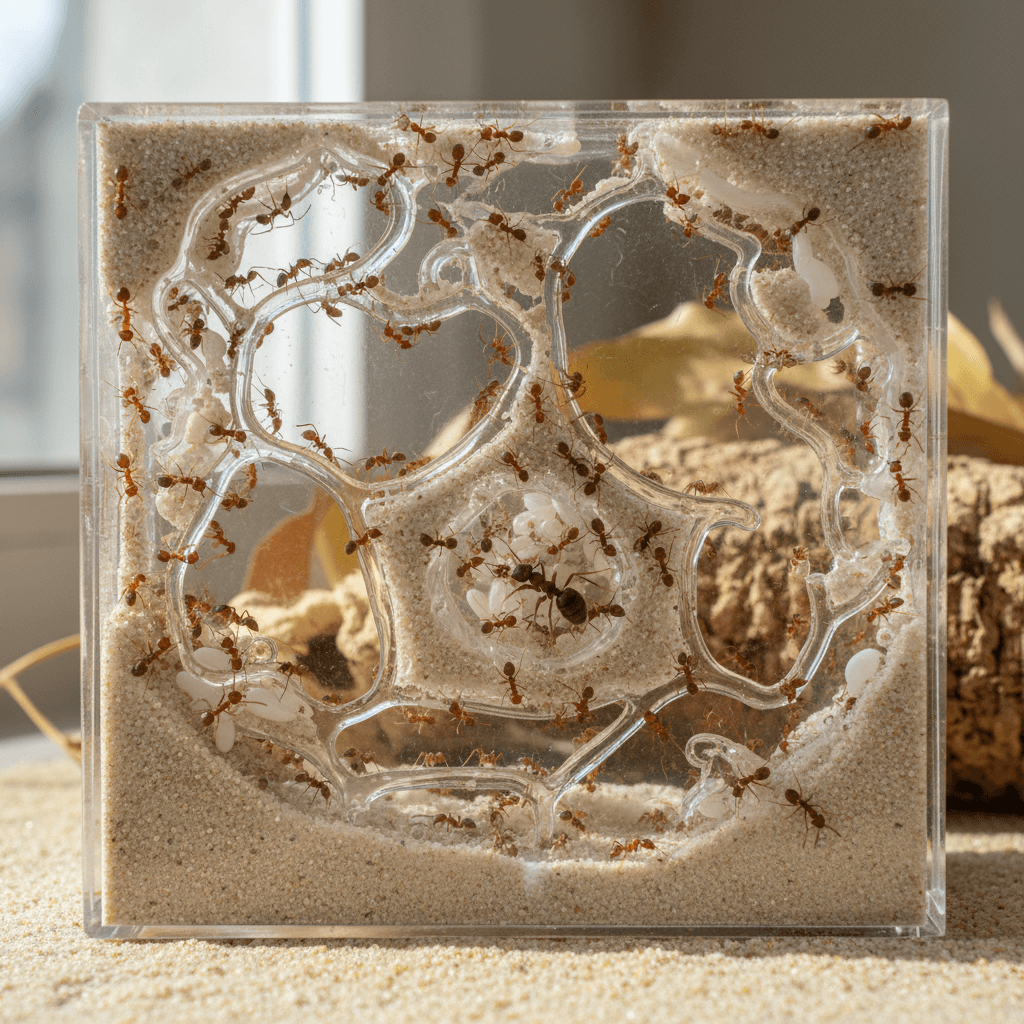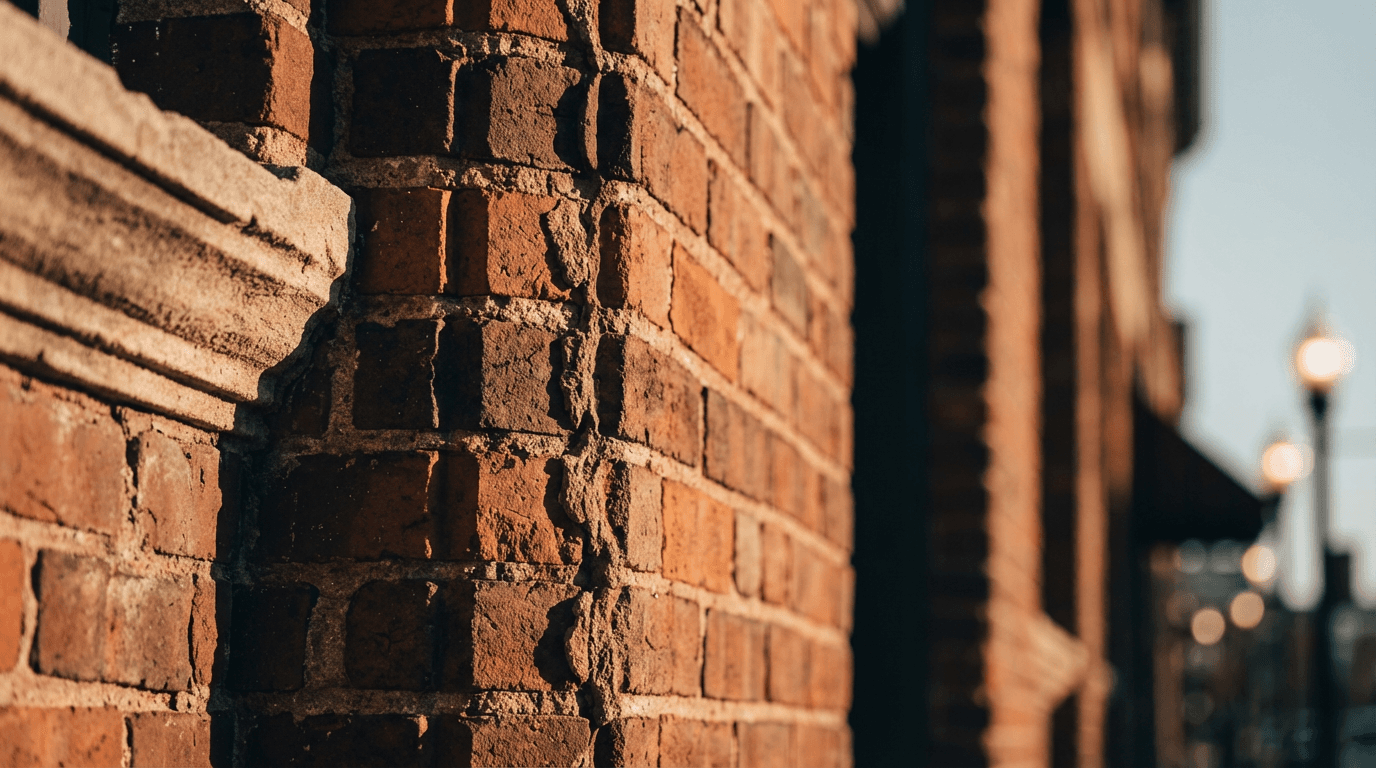
Carpenter ants Utah are primarily identified by their large size, rustling sounds behind walls, and the presence of coarse sawdust piles near wooden structures. Effective prevention involves sealing exterior cracks, removing damp or decaying wood from the property, and eliminating moisture sources that attract these wood destroying insects.
Finding a trail of large black ants across your kitchen counter is more than a minor nuisance; for Utah homeowners, these sightings often point to a silent threat hiding within your walls. Carpenter ants do not eat wood like termites, but they excavate complex galleries that can compromise the structural integrity of your property over time. Understanding the behavior of these wood destroying insects is critical for protecting your investment. In this guide, the team at Anders Pest Control explains how to identify these pests by their unique physical traits and nesting habits. You will learn the difference between carpenter ants and termites, discover why they swarm during our local spring seasons, and gain practical prevention tips to keep your home secure. We provide the expert insights you need to spot the early signs of damage before an infestation becomes a costly structural repair.
The Growing Threat of Carpenter Ants in Utah Homes
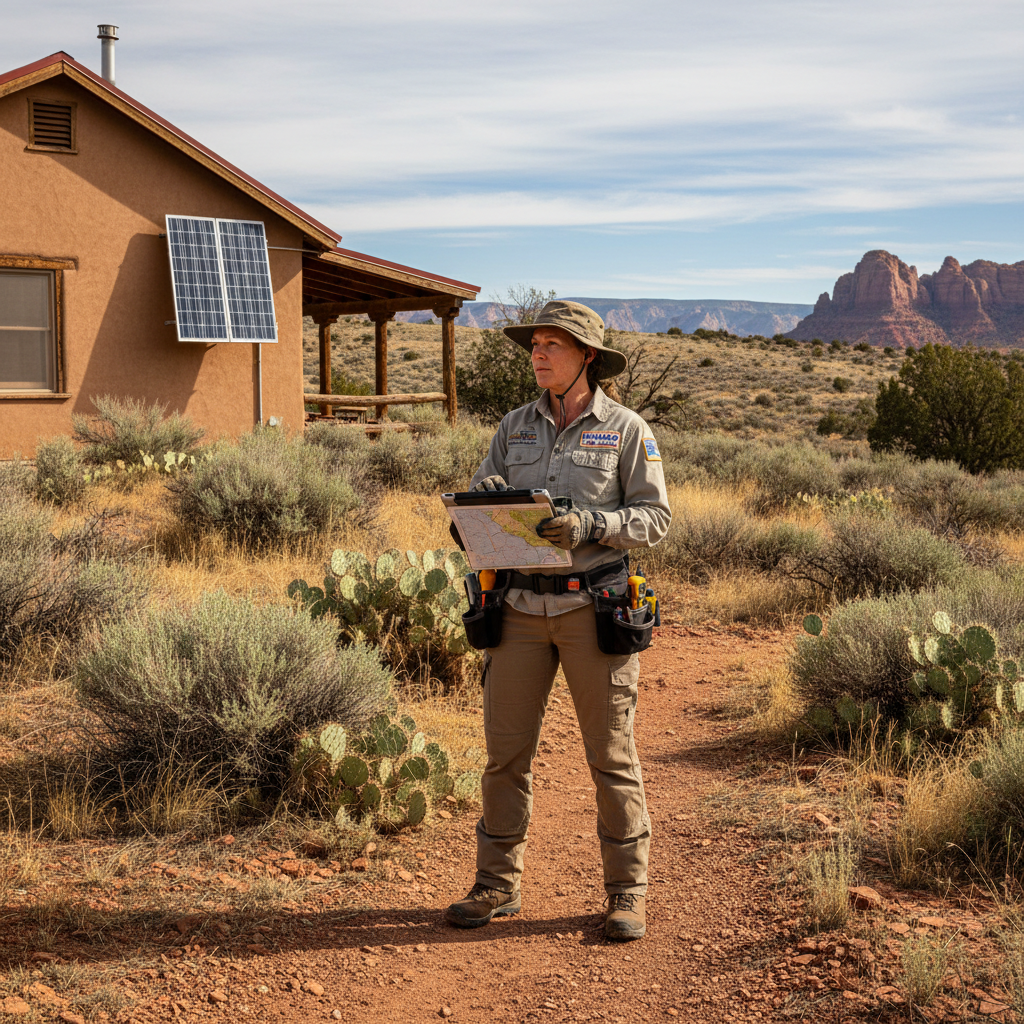
For homeowners in Box Elder County and across Northern Utah, the risk of structural damage from wood-destroying insects is a year-round concern. While termites often receive the most attention, carpenter ants Utah populations pose an equally significant threat to the integrity of residential properties. These insects do not actually eat the wood for nutrition. Instead, they chew through it to create intricate galleries and nesting sites, a process that can hollow out support beams and framing over time.
Utah’s specific climate creates a unique cycle for these pests. The combination of freezing winters and moisture-heavy springs provides the perfect environment for infestations to flourish. As snow melts and spring rains arrive, damp wood becomes highly attractive to foraging ants looking to expand their colonies. Our technicians at Anders Pest Control frequently identify infestations hidden within residential siding and beneath wooden decks, where moisture tends to linger against the structure.
Effective reliable residential pest management in this region requires recognizing that these ants are not just a nuisance; they are a structural liability. Understanding how the local environment influences their behavior is the first step in protecting your property from the costly repairs associated with long-term nesting activity. As temperatures rise, these colonies become increasingly active, making early detection vital for every Utah homeowner.
How to Identify Carpenter Ants: Size, Color, and Behavior
Identifying carpenter ants Utah homeowners encounter starts with recognizing their unusually large scale compared to common garden varieties. These ants are among the largest in the region. Sterile worker ants typically range from 1/4 to 1/2 inch in length, while a mature queen can reach a full inch. While most are solid black, some species found in Box Elder County exhibit a distinct reddish-black coloration.
Under closer inspection, a carpenter ant is distinguished by a single, pointed node, or hump, located on the petiole between its thorax and abdomen. The top of their thorax is also perfectly rounded when viewed from the side. These anatomical details are primary ways our team differentiates them from other species. In contrast, the common pavement ants frequently found in Salt Lake City and Ogden are much smaller, usually measuring only 1/8 inch, and possess two nodes between their body segments.
Behavioral patterns also set them apart. Carpenter ants are primarily nocturnal, reaching peak activity levels between sunset and midnight. During the day, they often remain tucked away in their galleries, which is why many property owners fail to notice an infestation until it is well established. If you spot large black ants trailing along a fence line or foundation after dark, it is a strong indicator of a nearby colony. Understanding these specific physical and behavioral traits is a core part of the about Anders Pest Control approach to early detection, helping us intercept the colony before structural integrity is compromised.
Signs of Carpenter Ant Damage: More Than Just Sawdust
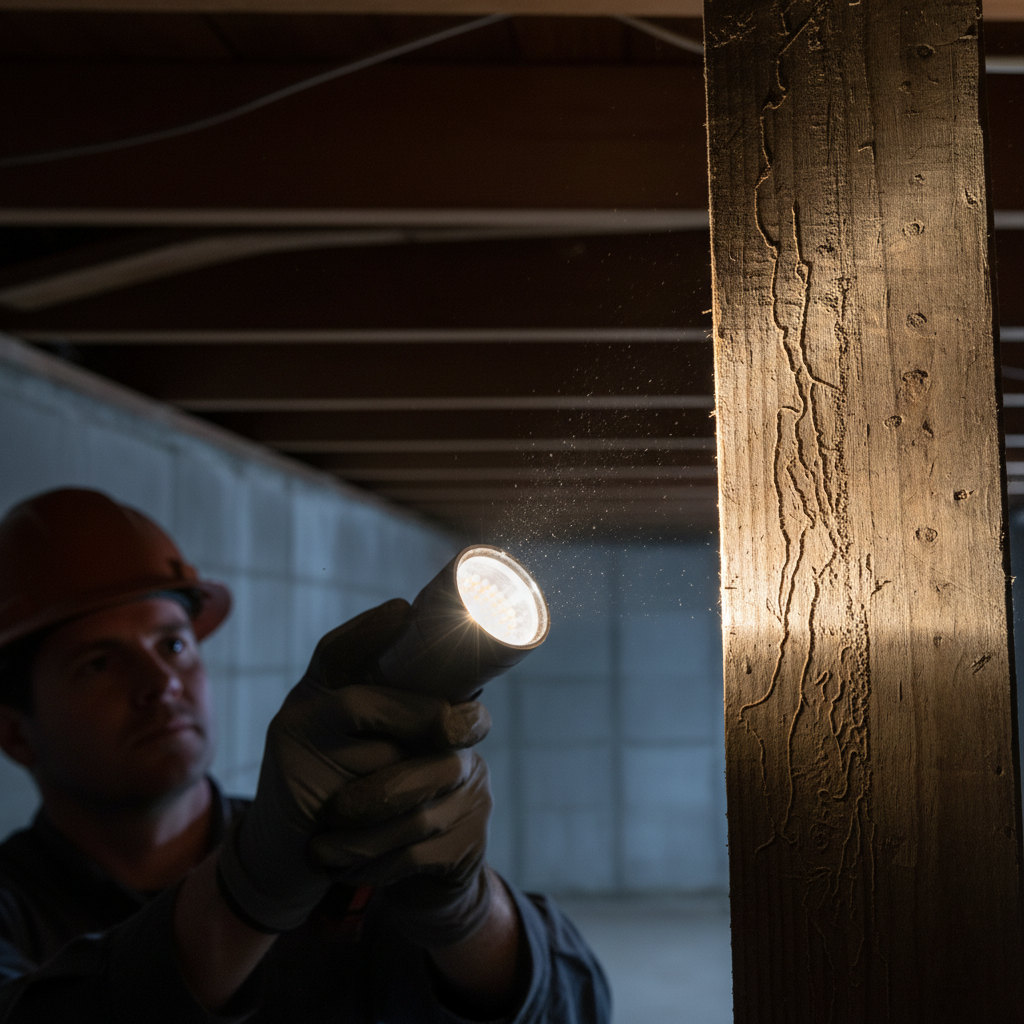
Identifying the presence of carpenter ants Utah residents might overlook requires a keen eye for "frass." Unlike termites that consume wood, carpenter ants are excavators. As they carve out their nesting galleries, they must remove the debris to keep their living space clear. This waste, known as frass, resembles coarse sawdust but is actually a biological mosaic. If you examine a pile closely, you will often find shredded wood fibers mixed with fragments of dead insect parts and even tiny pieces of fiberglass insulation they have cleared out from behind your drywall.
Homeowners should prioritize checking low-light or moisture-prone areas for these deposits. Common locations for frass accumulation include the gaps beneath baseboards, the edges of window sills, and throughout dark crawl spaces. Because these ants prefer damp or decaying wood, checking near leaking pipes or poorly sealed door frames is particularly productive. If you find a pile of what looks like wood shavings, look directly above it; the ants often eject this material from small, slit-like openings in the wood called "kick-out holes."
Another distinct sign of a mature infestation is one you hear rather than see. If a colony has grown large enough, you can often detect a faint rustling or clicking sound emanating from within the walls. This noise is most audible during the quiet of the night when the ants are most active. It is caused by thousands of tiny mandibles scraping against the wood and the movement of the colony within their hollowed-out chambers.
The internal appearance of the wood itself provides the final clue for identification. Carpenter ant galleries are remarkably clean and smooth, often described as having a finished, sandpapered look. They follow the grain of the wood but do not leave behind the soil or moisture associated with other pests. This stands in sharp contrast to the muddy, messy tunnels created by termites, which are often packed with soil and excrement. Recognizing these clean, hollowed-out passages early is a vital part of protecting your property's structural integrity.
Carpenter Ants vs Termites: Which One is Eating Your Home?
While the clean galleries mentioned previously are a hallmark of carpenter ants Utah residents often mistake their presence for termites. Differentiating between these two is vital because the treatment approach for a reliable residential pest management plan changes entirely depending on the species. Termites and ants may both target your home, but they belong to completely different insect orders and require different chemical strategies.
Physically, these insects share little in common upon close inspection. Termites have straight, beaded antennae, while carpenter ants have distinctly elbowed or bent antennae. Their body shapes are also contrasting. A termite has a thick, broad waist that blends smoothly into its abdomen. In contrast, a carpenter ant features a narrow, pinched waist, giving it a segmented appearance. When swarming, wing length is the most obvious giveaway. A termite’s four wings are equal in length and much longer than its body, whereas an ant’s front pair of wings is significantly longer than the back pair.
Feature | Carpenter Ants | Termites |
|---|---|---|
Antennae | Elbowed or bent | Straight and beaded |
Waist | Pinched and narrow | Broad and thick |
Wings | Uneven (front wings longer) | Equal length |
Wood Usage | Excavate for nesting only | Consume for nutrition |
The damage itself stems from different motivations. Termites possess specialized organisms in their gut that allow them to digest cellulose, meaning they literally eat your home for food. Carpenter ants lack this ability. They are simply master excavators, chewing through timber to build nursery chambers. Regardless of the culprit, Utah homeowners must act quickly. Most standard homeowners insurance policies exclude damage caused by wood-destroying insects, classifying it as a preventable maintenance issue. Early identification is the only way to avoid paying for structural repairs entirely out of pocket.
Why Carpenter Ants Swarm During Utah Springs
The spring swarm phenomenon for carpenter ants Utah residents witness is triggered by a specific combination of moisture and heat. As temperatures rise following heavy spring rains, mature colonies release winged reproductives, known as alates, to mate and establish new nesting sites. While seeing these winged individuals outdoors is a common part of the local ecosystem, spotting them inside your home is a critical warning sign that requires immediate attention.
Seeing flying ants indoors is rarely an accidental occurrence. Instead, it serves as a major red flag that a mature colony, typically three to six years old, is already established within your structure. Because these ants are emerging from internal galleries in walls or floor joists to take flight, the presence of a swarm indicates the colony has reached a significant size and is actively looking to expand.
In Box Elder County, the proximity of residential properties to agricultural land and wooded boundaries increases the likelihood of these encounters. These natural environments serve as prime breeding grounds for large parent colonies that view nearby homes as ideal locations for satellite nests. Understanding this seasonal cycle helps homeowners prioritize reliable residential pest management during the transition from late winter to early spring, ensuring that foragers and alates are intercepted before they compromise the integrity of the building.
Prevention Tips for Utah Property Owners
Preventing an infestation requires a proactive approach to home maintenance that addresses both moisture and access points. Start by storing firewood stacks at least 20 feet away from the foundation. Placing logs directly against the house provides a perfect staging ground for foraging carpenter ants Utah colonies often maintain. Similarly, trim all tree branches and shrubs so they do not touch the roof or siding. In our region, these limbs act as natural bridges, allowing ants to bypass ground-level barriers.
Controlling moisture is equally critical. Inspect outdoor faucets for slow leaks, as these pests crave the softened, damp wood that consistent drips create. Finally, use a high-quality sealant on foundation cracks. The shifting soils common in Northern Utah frequently create new entry points that scouts exploit. By eliminating these access routes and drying out potential nesting sites, you significantly enhance the effectiveness of your reliable residential pest management plan and protect your property’s long-term value.
Why Professional Treatment is Necessary for Carpenter Ants

Effective control of carpenter ants Utah residents face requires understanding their complex colony structure. A single infestation often involves a parent colony located outdoors in a damp stump or woodpile, connected to one or more satellite nests hidden inside your home's walls. These satellites contain workers, older larvae, and pupae but usually lack the moisture needed for the queen. DIY aerosol sprays typically fail because they only kill the few foragers visible on the surface. This often triggers a defensive response where the colony relocates deeper into the structure, while the queen continues to reproduce undisturbed in the parent nest.
Professional intervention through reliable residential pest management utilizes non-repellent transfer technology. Our technicians at Anders Pest Control apply specialized treatments that foragers unknowingly carry back to both the satellite and parent nests. This method ensures the entire population, including the queen, is eliminated rather than just dispersed. By addressing the biological source rather than just the symptoms, we provide a long term solution that safeguards your property's framing and value. You can learn more about Anders Pest Control and our commitment to using responsible, targeted methods for local homeowners.
Protecting your Utah home from carpenter ants starts with early identification and consistent prevention. While managing small signs of activity is a great first step, these wood destroying pests often hide deep within structural beams where they can cause lasting damage. If you want expert help ensuring your property remains secure, we are ready to assist. You can learn more about our team and how we provide reliable pest solutions that keep local families safe. Our goal is to give you peace of mind through effective and thorough protection.